

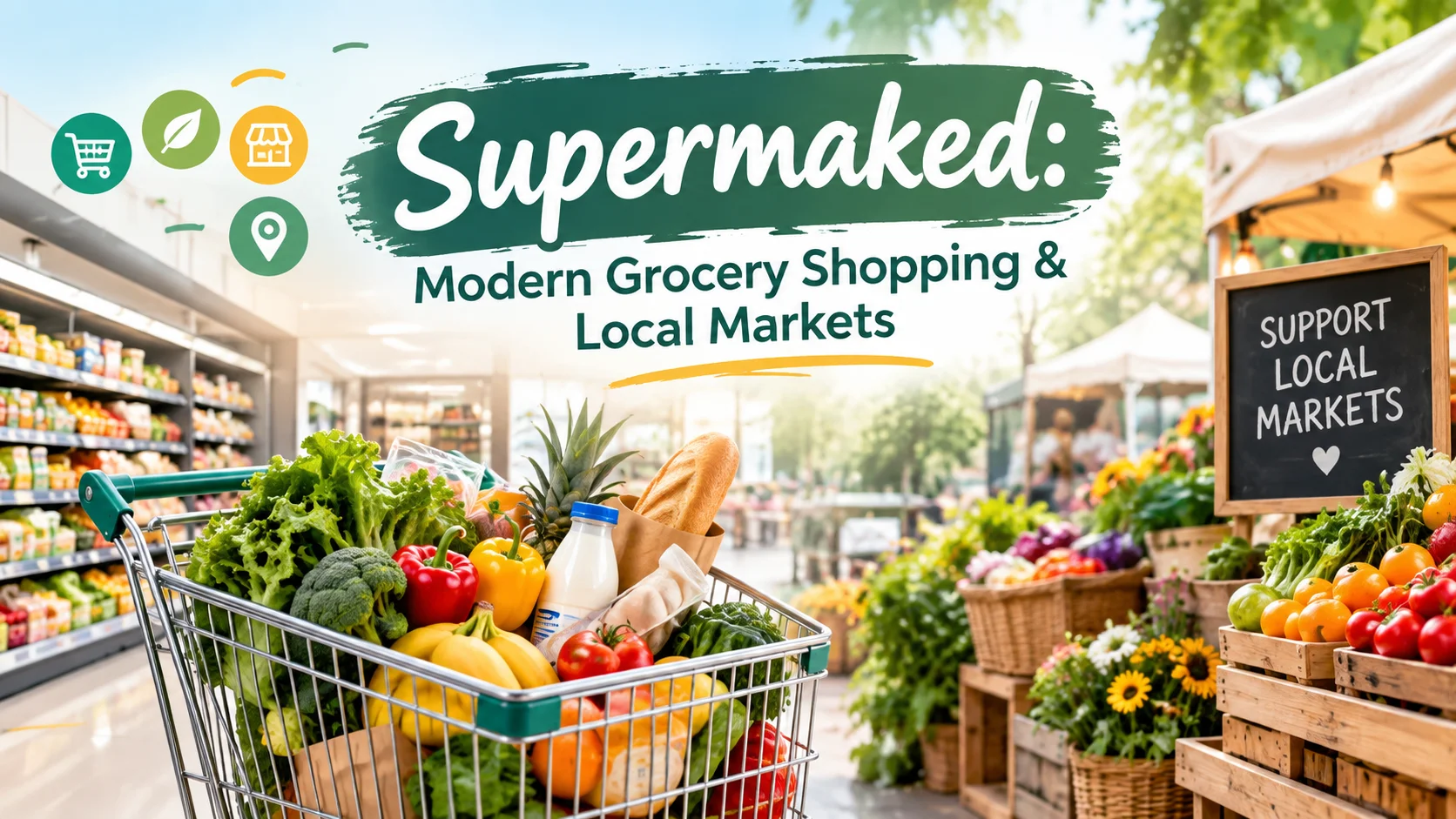
Supermaked represents the changing way people think about grocery shopping and local markets. Today, shoppers want more than a place to purchase food. They look for convenience, product variety, reasonable prices, fresh ingredients, and a smooth shopping experience. Modern grocery platforms and neighborhood markets are responding to these expectations by combining traditional shopping with newer ideas.
The grocery industry has evolved significantly as technology, changing lifestyles, and customer preferences have influenced shopping habits. From fresh produce and household essentials to packaged foods and everyday supplies, shoppers now have many ways to find what they need.
The Changing Grocery Shopping Experience
Traditional grocery shopping usually involved visiting a nearby store, walking through aisles, comparing products, and completing a purchase at the checkout counter. While this method remains popular, modern shopping has introduced additional options.
Convenience Comes First
Busy schedules have made convenience an important part of grocery shopping. Customers often want to find essential products quickly without spending unnecessary time searching through multiple stores.
Modern grocery businesses can improve convenience through organized product categories, clear pricing, efficient checkout systems, and easy access to frequently purchased items.
More Choices for Everyday Needs
A modern grocery market can offer products across several categories. These may include fresh fruits and vegetables, dairy products, bakery items, beverages, snacks, frozen foods, cleaning supplies, personal-care products, and household essentials.
Having multiple categories in one place helps customers manage their regular shopping more efficiently.
Why Local Markets Still Matter
Despite the growth of large supermarkets and online shopping, local markets continue to play an important role in communities. Neighborhood stores often provide quick access to everyday essentials and can develop strong relationships with nearby customers.
Fresh Products and Local Preferences
Local markets may focus on products that match the preferences of their surrounding community. Fresh produce, regional foods, bakery products, and locally popular grocery items can make these stores particularly useful.
In many communities, shoppers also appreciate being able to purchase fresh ingredients close to home.
Supporting Local Businesses
Shopping at local markets can help support small businesses and local entrepreneurs. These businesses contribute to neighborhood economies by creating employment opportunities and keeping spending within the community.
A modern grocery concept can therefore combine convenience with the personal connection traditionally associated with local shopping.
Technology in Modern Grocery Shopping
Technology has changed almost every stage of the shopping journey. Customers can now discover products, compare prices, create shopping lists, and sometimes place orders digitally.
Digital Product Discovery
Online catalogs and digital platforms make it easier to explore available products before visiting a store. Customers can check categories and identify the items they need in advance.
This can make shopping more organized, particularly when purchasing a large number of household products.
Digital Payments and Faster Checkout
Contactless payments, mobile wallets, self-checkout systems, and other digital options can reduce waiting times. These technologies can make the purchasing process more convenient while giving shoppers additional payment choices.
However, traditional payment methods remain important for customers who prefer them.
Choosing Fresh and Quality Grocery Products
Product quality is one of the most important factors in grocery shopping. Customers generally want fresh food, reliable brands, clear labels, and products that meet their expectations.
Checking Fresh Produce
When purchasing fruits and vegetables, shoppers can consider appearance, firmness, freshness, and signs of damage. Seasonal produce can also provide variety throughout the year.
Proper storage is equally important after products are purchased. Refrigerated and temperature-sensitive foods should be stored appropriately to maintain quality.
Reading Food Labels
Food labels provide useful information about ingredients, serving sizes, nutritional values, allergens, storage instructions, and expiration or best-before dates.
Taking a moment to read labels can help shoppers understand what they are purchasing and select products that fit their household needs.
Smart Ways to Manage a Grocery Budget
Grocery expenses can become a significant part of a household budget. Planning ahead can help shoppers avoid unnecessary purchases.
Create a Shopping List
A shopping list is one of the simplest ways to stay organized. Before going to a market, shoppers can check their pantry, refrigerator, and household supplies.
Writing down essential items reduces the chance of forgetting important products while also helping limit impulse purchases.
Compare Prices and Pack Sizes
Different brands and package sizes can have different prices. Comparing options can help shoppers determine which product provides suitable value for their needs.
However, the cheapest product is not always the best option. Quality, quantity, durability, and actual household requirements should also be considered.
The Role of Supermaked in Everyday Shopping
Supermaked reflects the broader movement toward more convenient and organized grocery experiences. A modern market can bring together the familiar advantages of local shopping with features associated with contemporary retail.
The goal is not simply to sell products but to create an environment where customers can discover everyday essentials easily and make informed purchasing decisions.
A Balance Between Traditional and Modern
Traditional grocery stores offer familiarity and personal interaction, while modern systems can introduce technology and greater convenience. Combining these approaches can create a shopping experience that serves different types of customers.
For example, some shoppers may prefer visiting a physical market and selecting fresh products themselves, while others may value digital browsing and streamlined purchasing.
Tips for a Better Grocery Shopping Experience
A few simple habits can make regular shopping more efficient.
Plan Before You Shop
Check what you already have at home before making a shopping trip. Planning meals for several days can also make it easier to identify the ingredients you actually need.
Prioritize Essential Items
Start with necessary groceries before considering optional snacks or additional products. This approach can help keep shopping focused.
Store Products Properly
After returning home, organize groceries according to their storage requirements. Refrigerated foods should be placed in suitable areas, while dry goods should be kept in clean, dry spaces.
Review Your Shopping Habits
Occasionally reviewing your grocery spending can reveal patterns. You may discover that certain products are purchased frequently but rarely used, while other essentials need to be restocked more consistently.
The Future of Grocery Shopping
The future of grocery shopping is likely to continue combining physical stores with digital technology. Customers may see more personalized recommendations, improved inventory systems, faster payment options, and convenient ordering services.
At the same time, physical markets are unlikely to lose their importance. Many shoppers still value the ability to see fresh products, interact with sellers, and purchase items immediately.
The most useful grocery experiences may therefore be those that offer flexibility rather than relying on a single shopping method.
Frequently Asked Questions
What is Supermaked?
Supermaked refers to a modern grocery shopping and local market concept focused on convenience, product variety, everyday essentials, and evolving customer needs.
What can shoppers find in a modern grocery market?
Depending on the market, shoppers may find fresh produce, dairy products, bakery items, beverages, packaged foods, household supplies, personal-care products, and other everyday essentials.
Why are local grocery markets still popular?
Local markets can provide convenient access to everyday products while offering familiarity, community connections, and products suited to local preferences.
How can technology improve grocery shopping?
Technology can make shopping easier through digital catalogs, electronic payments, inventory systems, shopping lists, online ordering, and faster checkout options.
How can shoppers save money on groceries?
Creating a shopping list, comparing prices, checking existing supplies, choosing appropriate package sizes, and avoiding unnecessary impulse purchases can help manage grocery spending.
Final Thought
Supermaked represents the evolving relationship between modern convenience and traditional local grocery shopping. As customer expectations continue to change, successful grocery experiences will increasingly focus on accessibility, product variety, quality, efficiency, and thoughtful use of technology. Whether shoppers prefer a neighborhood market, a larger supermarket, or digital ordering, the central goal remains the same: making everyday grocery shopping easier, practical, and reliable.











Leave a Reply