

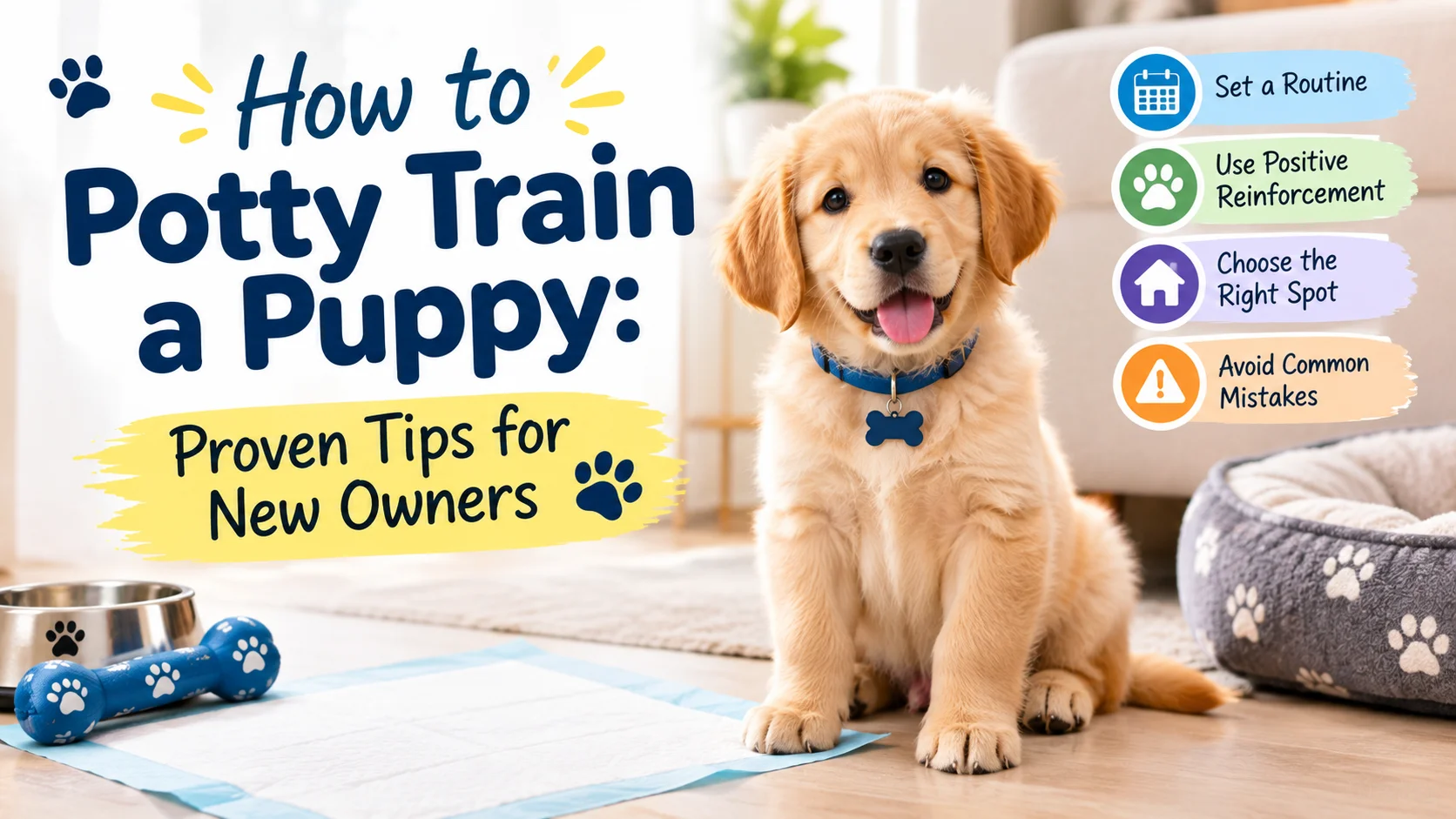
House-training a puppy is one of the very first and most important milestones you will share together. While the process requires patience, consistency, and a solid routine, seeing your puppy finally understand where “outside” is makes all the early-morning wake-up calls completely worth it. This comprehensive guide covers everything from establishing a daily schedule to handling inevitable accidents with grace, giving you a clear roadmap to success.
Understanding Your Puppy’s Development
Before diving into training techniques, it helps to understand how a puppy’s body and mind work. A young puppy simply does not have the physical maturity or bladder control of an adult dog.
Bladder Capacity by Age
As a general rule of thumb, a puppy can hold their bladder for one hour for every month of age. For example, a three month old puppy can usually hold it for about three hours. However, this is just an estimate. High activity levels, excitement, or drinking a lot of water can drastically reduce this time. Keeping expectations realistic prevents frustration for both you and your pet.
The Power of Routine
Puppies thrive on predictability. A consistent schedule helps regulate their digestion and lets you predict when they will need to eliminate. Feed your puppy at the same times every day rather than leaving food out continuously, and pick up the water bowl about two hours before bedtime to minimize overnight accidents.
Setting Up Your Environment
Management is your best friend during the house-training phase. By setting up your home correctly, you prevent mistakes before they happen and teach your puppy where they are supposed to go.
Crate Training Basics
Dogs naturally avoid soiling the areas where they sleep, which makes a properly sized crate an invaluable tool for house-training.
Size matters: The crate should be just large enough for your puppy to stand up, turn around, and lie down comfortably. If it is too big, they may use one corner as a bathroom and sleep in the other.
Positive associations: Never use the crate as a punishment. Feed meals inside, give special chew toys there, and make it a cozy, safe haven.
Avoid overuse: A young puppy should not be crated for hours on end during the day. If you work long hours, you will need a designated puppy-proof pen with a potty pad area or a pet sitter to break up the day.
The Designated Outdoor Spot
Choose one specific location in your yard or outside your apartment building to serve as your puppy’s bathroom.
Scent cues: When you take your puppy outside, lead them directly to this spot on a leash. The residual scent from previous trips will trigger their instinct to go.
Praise and reward: The moment your puppy finishes eliminating, offer enthusiastic verbal praise and a high-value treat immediately. Timing is critical; the reward must happen within seconds of the act so they connect the behavior with the outcome.
The Daily Potty Training Schedule
Consistency turns actions into habits. Integrating frequent trips outside into your daily routine dramatically accelerates the learning process.
Key Times to Take Your Puppy Out
Immediately upon waking up: Whether from a nap or a full night’s sleep, their bladder will be full.
15 to 30 minutes after eating or drinking: Digestion stimulates the digestive tract quickly in young dogs.
After vigorous play or training: High energy gets things moving physically.
Last thing at night: A final trip right before bed helps clear the system for the night.
Nighttime Strategies
Be prepared for interrupted sleep during the first few weeks. A young puppy will likely need at least one bathroom break in the middle of the night. Keep nighttime trips strictly business: use a calm voice, carry them straight to the potty spot, avoid playing, and put them right back to bed afterward.
Handling Accidents Gracefully
Accidents are an inevitable part of raising a puppy. How you react shapes how your puppy views you and the training process.
What to Do If You Catch Them in the Act
If you see your puppy starting to squat inside, interrupt them with a sharp, gentle clap or an upbeat “Let’s go!” and immediately hustle them outside to their spot. If they finish going outside, praise them heavily.
What to Do If You Find a Past Accident
Never scold, yell at, or rub your puppy’s nose in an accident after the fact. Dogs lack the cognitive ability to connect punishment now with an action they took ten minutes ago. Punishing them only teaches them to fear you or to hide when they need to go.
Proper Cleaning Techniques
Regular household cleaners will not cut it. Puppies have an acute sense of smell, and if they can still detect even a faint trace of their urine or feces, they will return to that exact spot to go again. Always use an enzymatic cleaner specifically designed for pet messes to break down uric acid crystals completely.
Frequently Asked Questions
How long does it typically take to potty train a puppy?
Every puppy is different, but most healthy puppies can be reliably house trained between four to six months of age, provided you maintain consistent routines and supervision. Some breeds or individual dogs may take longer, up to a year, while others catch on in just a few weeks.
Should I use pee pads indoors?
Pee pads can be useful if you live in a high-rise apartment or have a toy breed with a tiny bladder that cannot make it outside in harsh weather. However, keep in mind that pads can sometimes confuse puppies by teaching them that eliminating indoors on fabric-like textures is acceptable. If your ultimate goal is outdoor training, it is often easier to skip pee pads entirely and transition straight to outdoor trips.
What should I do if my puppy refuses to go outside?
Sometimes a puppy gets distracted by outdoor sights, sounds, and smells and forgets why they are out there. Keep initial trips short and boring: stand quietly in your chosen spot with your puppy on a leash for five minutes. If they do not go, bring them back inside, place them in their crate or watch them like a hawk for 10 to 15 minutes, and try again.
How can I tell if my puppy needs to go?
Watch for subtle pre-potty signals. Common signs include sudden sniffing of the floor, pacing in circles, whining, wandering away from the family to a quiet corner, or suddenly stopping play to look around intently. The moment you see these signs, scoop them up or guide them outside immediately.
Is bell training effective for puppies?
Hanging a bell or a set of wind chimes from the doorknob can be a fantastic way to teach your puppy to communicate their needs. You can train them to nose or paw the bell before you open the door to go outside. Over time, the puppy associates ringing the bell with the door opening, giving them a clear voice to let you know when nature calls.











Fanisco: Latest Trends, Tips & Inspiration - Football club menu
[…] styles and leaning into distinctive, hyper-personalized approaches. Whether applied to digital footprints or physical environments, the core trend is about intentionality. Every choice from the layout of a […]