

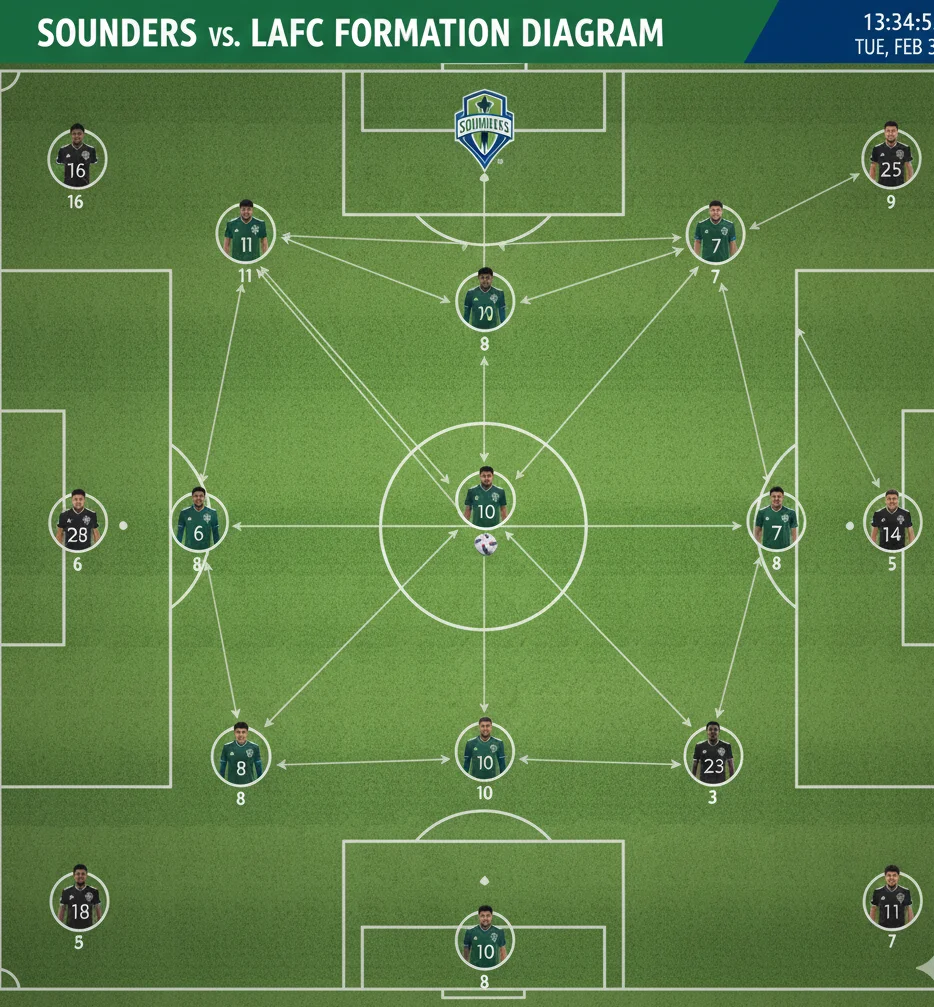
Football (Soccer) Formations Explained: Complete Guide with Tactics
Introduction
Football (soccer) formations are the tactical blueprints that shape how a team plays, defends, and attacks on the pitch. A formation defines how players are positioned across defense, midfield, and attack, usually expressed in numbers such as 4-4-2, 4-3-3, or 3-5-2. These numbers describe the outfield players from back to front, excluding the goalkeeper.
Formations are not just about positioning—they reflect a team’s philosophy and strategy. Some prioritize defensive stability and structure, while others focus on attacking flair, high pressing, or control of possession. Modern football formations are also highly fluid; players often shift roles during different phases of play, adapting to opponents and in-game situations.
Visual Assets & Tools
To complement tactical breakdowns and formation guides, visual assets make understanding and applying football formations much easier. They allow players, coaches, and fans to see positioning, movement, and tactical flows rather than just reading about them.
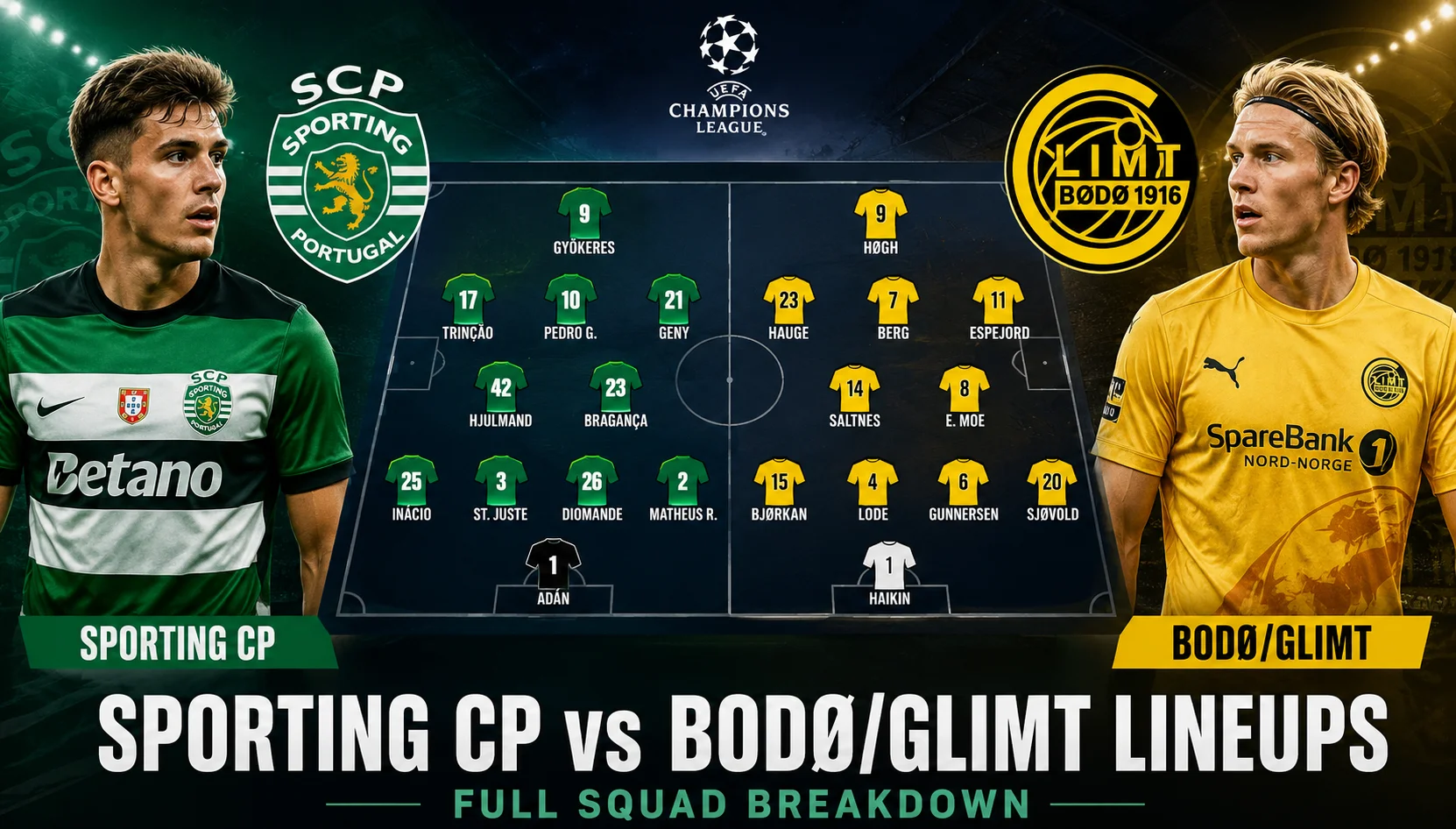
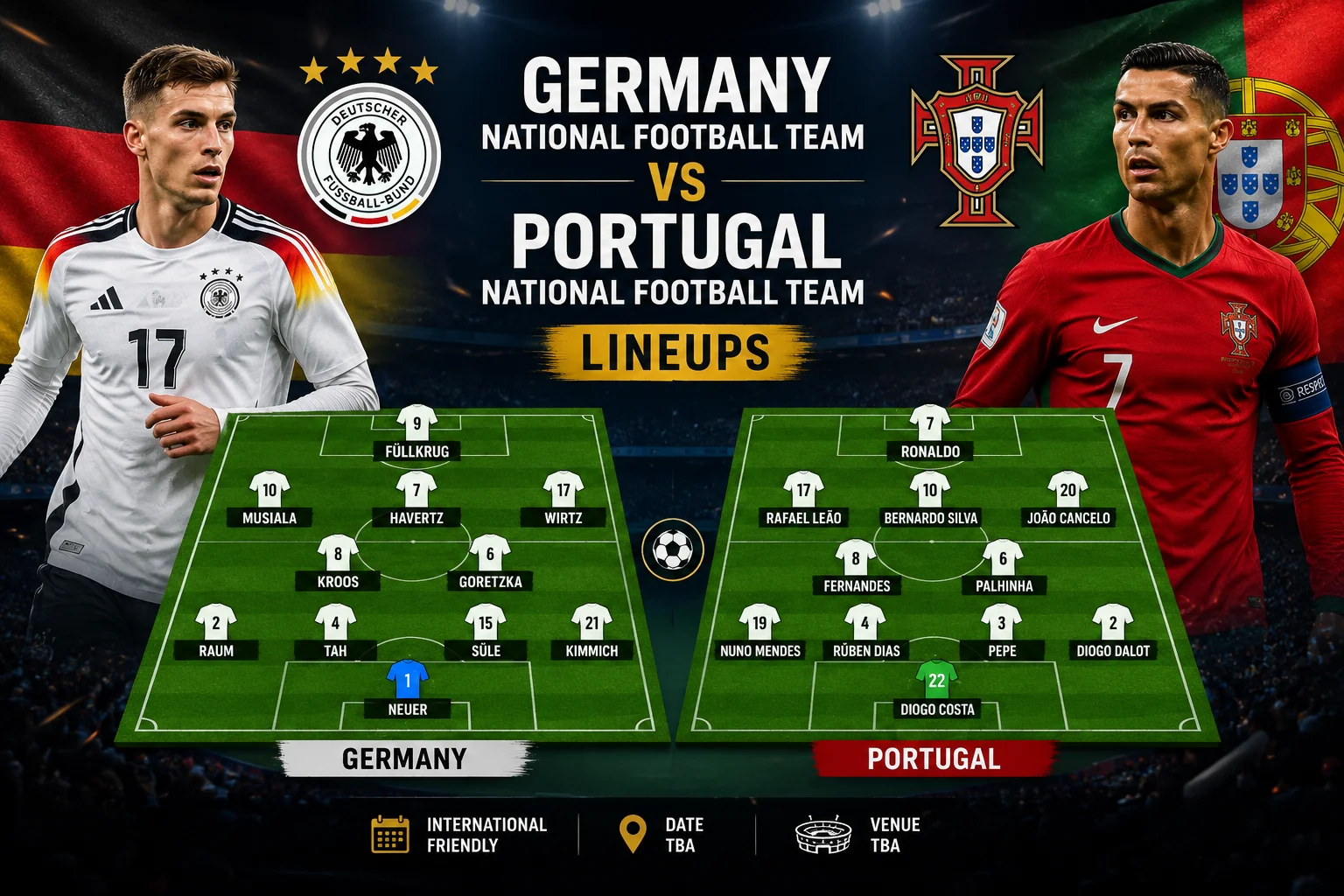
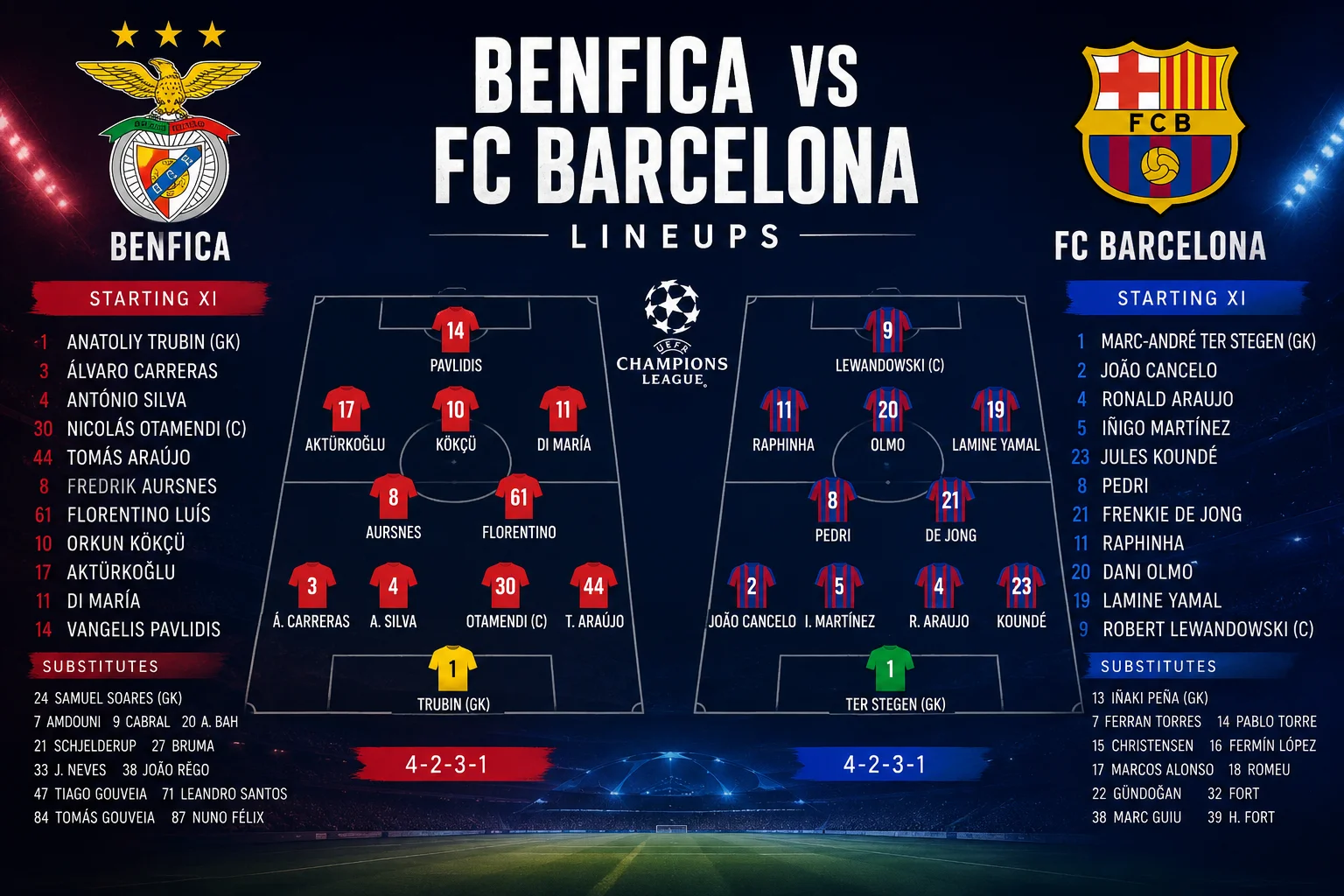
4-2-3-1: The Double Pivot Explained
The 4-2-3-1 is built around control and defensive security through its midfield base.
Double Pivot Role
- Two holding midfielders sit in front of the defense
- One may act as a pure destroyer, the other as a deep playmaker
Why It Works
- Provides excellent protection against counterattacks
- Allows full-backs to advance safely
- Creates a stable platform for the attacking midfielder (No.10)
Tactical Use
This formation is ideal against strong attacking opponents or for teams that rely on transitions, as it balances compactness with creativity.
3-5-2 vs 5-3-2: Wing-Back Dynamics
These formations look similar on paper but differ greatly in intent.
3-5-2
- Wing-backs play high and wide
- Midfield trio dominates central areas
- Best suited for proactive, possession-based teams
5-3-2
- Wing-backs drop deeper, forming a back five
- Midfield stays compact and narrow
- Designed for defensive solidity and counterattacks
Key Difference
The height and freedom of the wing-backs define whether the system is attacking (3-5-2) or defensive (5-3-2).
3-4-3: When and Why It Works
The 3-4-3 emphasizes width, pressing, and attacking overloads.
Strengths
- Wide forwards stretch defenses horizontally
- Two central midfielders keep structure
- Back three provide coverage during high presses
When to Use
- Against teams that defend deep
- When you want to overload wide areas
- Suits teams with athletic wing-backs and ball-playing center-backs
Risk
If wing-backs are caught high, spaces behind them can be exposed quickly.
Lesser-Covered Formations to Know
These formations are useful for teams seeking central dominance or quick vertical play.
4-1-3-2
A narrow, midfield-heavy system focused on central dominance.
- One defensive midfielder anchors play
- Three advanced midfielders support two strikers
- Effective against teams that concede the middle
- Weakness: Vulnerable on the wings without disciplined full-backs
4-2-2-2
Often misunderstood, this formation uses narrow attacking midfielders instead of wingers.
- Two holding midfielders provide balance
- Two attacking midfielders operate in half-spaces
- Two strikers occupy center-backs
- Best for quick combinations, pressing triggers, and vertical play
Tactics Application
Understanding formations is one thing—but knowing when and how to adapt them during a match separates good teams from great ones. Tactical flexibility allows coaches to respond to opponents, injuries, or game scenarios without losing balance.
When to Switch Formations Mid-Match
Formation changes are often reactive or proactive:
- Chasing a Goal: Switching from a 4-2-3-1 to a 4-3-3 or 3-4-3 can add attacking width and overload the final third.
- Protecting a Lead: Moving from a 4-3-3 to a 5-3-2 / 3-5-2 drops wing-backs deeper, prioritizing defensive solidity.
- Exploiting Weaknesses: If an opponent struggles on the wings, deploying a formation with wide attackers (like 3-4-3) maximizes pressure.
Coaches also rotate midfield pivots or striker partnerships to adjust pressing intensity and ball retention, often without changing the base numbers.
Pressing vs. Possession Variations
Formations can emphasize different tactical philosophies:
- High-Pressing Systems (4-3-3, 3-4-3): Focus on regaining the ball quickly and disrupting opponent build-up. Requires athletic wingers, mobile midfielders, and ball-playing center-backs.
- Possession-Based Systems (4-2-3-1, 4-1-3-2): Prioritize control, short passing, and patient build-up. Defensive midfielders protect the backline while midfielders orchestrate tempo.
- Hybrid Approaches: Teams like Manchester City or Real Madrid switch between pressing and possession dynamically, depending on the opponent’s weaknesses.
Case Studies from EPL / Champions League
- Liverpool (4-3-3 High Press, EPL): Uses front three to press center-backs aggressively, supported by midfielders closing passing lanes. Effective against teams that play out from the back.
- Manchester City (4-2-3-1 / 4-3-3 Hybrid, EPL/Champions League): Often starts with a double pivot for stability, then transitions into 4-3-3 in attack to overload the wings.
- Chelsea (3-4-3, Champions League 2020s): Deployed narrow defensive triangles with wing-backs high up, allowing central midfielders to control the tempo while exploiting wide spaces.
Takeaway: Tactical flexibility allows elite teams to dominate possession, press effectively, and exploit opponent weaknesses, all while maintaining structural integrity.
Visual Assets & Tools
To complement tactical breakdowns and formation guides, visual assets make understanding and applying football formations much easier. They allow players, coaches, and fans to see positioning, movement, and tactical flows rather than just reading about them.
Interactive Diagrams
- Drag-and-Drop Field Layouts: Users can move players around to visualize formations like 4-3-3, 4-2-3-1, or 3-5-2.
- Dynamic Press/Attack Animations: Show how pressing triggers, overlapping runs, or counterattacks function in real time.
- Scenario Simulations: Allow coaches to simulate in-game situations—e.g., “down 1-0 with 15 minutes left,” to see how formations adapt.
- Benefits: Engages users, improves tactical understanding, and is ideal for online coaching platforms.
Printable PDFs
- Formation Sheets: Ready-to-use PDFs showing player positions, roles, and movement patterns.
- Matchday Plans: Include team tactics, substitution ideas, and opponent analysis in a simple visual format.
- Training Drills: Formation-based exercises for youth academies or club sessions.
- Benefits: Perfect for offline use, coaching sessions, and sharing with players.
Template Builder / Embed
- Custom Formation Creator: Build unique formations or tweak existing ones, then embed directly on club websites or tactical blogs.
- Shareable Templates: Save your setups as links or PDFs for team communication.
- Integration: Works with learning management systems, WordPress, or other club platforms for easy access.
- Benefits: Empowers coaches and analysts to create, share, and iterate formations without needing graphic design skills.
FAQ's
Conclusion
Football formations are much more than numbers on a page—they are the foundation of a team’s identity, strategy, and tactical execution. From classic setups like 4-3-3 and 4-2-3-1 to lesser-known systems such as 4-1-3-2 or 4-2-2-2, each formation serves a specific purpose, whether it’s controlling the midfield, exploiting wide spaces, or balancing defense and attack.











Leave a Reply