


In a highly informative clash, the Atlanta Falcons secured a 17-12 victory over the Miami Dolphins. The matchup provided coaches, analysts, and fans with crucial insights into positional depth, quarterback play under pressure, and defensive resilience.
Below is an in-depth statistical breakdown and analytical review of player performance across both squads.
Game Summary and Scoring Progression
The game was defined by a Tale of Two Halves. The Falcons came out strong, executing their offensive playbook efficiently and establishing a 17-6 lead before halftime. The Dolphins relied entirely on special teams for scoring, accumulating four field goals by kicker Riley Patterson while failing to convert drives into touchdown opportunities.
Quarterly Breakdown
Team            Q1   Q2   Q3   Q4   Final
Atlanta Falcons  0   10    0    0    17
Miami Dolphins   3    3    3    3    12
Atlanta Falcons: Player Performance Analysis
Quarterback Rotation
Atlanta deployed a multi-quarterback approach throughout the contest, evaluating back-ups and potential scheme fits. The Falcons combined for an efficient 26-for-33 passing performance, totaling 239 passing yards, 1 touchdown, and 1 interception.
Tua Tagovailoa: Featured in limited opening drives, completing 7 of 8 passes for 95 yards (116.1 QB Rating). While showing quick release and precision, ball security remained a concern as he turned the ball over via a fumbled snap on his second drive.
Cooper Rush: Took over primary passing duties, completing 13 of 18 attempts for 106 yards, 1 touchdown, and 0 interceptions (105.3 passer rating). Rush was steady in intermediate routes, capping off an early second-quarter drive with a 3-yard touchdown pass to tight end Jack Velling.
Jack Strand: Closed out late-game reps, recording 6 completions on 7 attempts for 44 yards and 1 interception.
Rushing Attack
The Falcons struggled to establish explosive ground plays, managing only 40 yards on 24 carries as a team (1.7 yards per carry average).
Brian Robinson Jr.: Logged key short-yardage reps, punching in a rushing touchdown to finish an early scoring drive.
Tyler Goodson & Nathan Carter: Provided rotational depth, taking the bulk of secondary carries to test durability between the tackles.
Pass Catchers & Playmakers
Atlanta’s passing efficiency was bolstered by strong performances in the tight end and slot receiving corps.
Kyle Pitts: Demonstrated elite efficiency in limited snaps, catching 3 passes for 59 yards (19.7 yards per reception). His longest catch went for 37 yards, proving to be the game’s primary downfield highlight.
Jack Velling: Recorded 4 receptions for 30 yards and caught the lone passing touchdown of the game.
Chris Blair & Dylan Drummond: Provided active targets in short-to-intermediate concepts to keep drives moving on third down.
Defensive Impact Leaders
Atlanta’s defensive unit delivered a high-impact performance, continuously disrupting Miami’s rhythm and keeping the Dolphins out of the end zone.
James Pearce Jr. (DE): Standout defensive performer, recording 2 sacks and 3 tackles, consistently pushing the pocket.
Azeez Ojulari & Zach Harrison: Created pressure on the edge, bringing the team’s total sack count to 5.
Clark Phillips III & DeMarcco Hellams: Maintained tight secondary coverage, limiting Miami to an under-50% completion rate.
Miami Dolphins: Player Performance Analysis
Quarterback Performance
Miami experienced consistency issues under center, finishing 11 of 24 passes for 158 yards. The offense struggled with third-down conversions, though they did avoid throwing interceptions.
Cam Miller: Got the start for Miami, completing 7 of 16 passes for 71 yards. Miller faced heavy blitzing from Atlanta’s defense, which impacted his timing on deeper routes.
Mark Gronowski: Replaced Miller in the second half and provided a spark, completing 4 of 8 passes for 97 yards (12.1 yards per attempt). Gronowski added 28 rushing yards on 4 carries, showcasing dual-threat capabilities.
Rushing Attack
Miami showed better success on the ground compared to Atlanta, running 25 times for 78 yards (3.1 yards per carry).
Carlos Washington Jr.: Led the backfield in carries, executing well between the tackles and sustaining positional drives.
Coleman Bennett & Mark Gronowski: Combined for key gains in third-and-short situations to help position kicker Riley Patterson.
Receiving Corps
Though target volume was lower due to low completion rates, Miami’s receivers capitalized on several big-play opportunities.
Terrace Marshall Jr.: Paced Miami’s receiving core, catching 2 passes for 49 yards, including a 33-yard reception.
Jalen Tolbert & Chris Bell: Provided physical route running in medium-depth passing setups.
Defensive & Special Teams Stats
Despite spending significant time on the field, Miami’s defense held Atlanta scoreless in the second half.
Jackson Woodard (LB): Recorded a fumble recovery inside the red zone to deny Atlanta additional points.
Tyrel Dodson & Willie Gay Jr.: Led linebacking efforts, making effective tackles in open space to bottle up Atlanta’s rushing attack.
Riley Patterson (K): Miami’s sole point producer, going 4-for-5 on field goal attempts, including a long kick of 46 yards.
Team Statistics Comparison
Statistical Category          Atlanta Falcons    Miami Dolphins
Final Score                   17                 12
Total Passing Yards           239                158
Completions / Attempts        26/33 (78.8%)      11/24 (45.8%)
Passing Touchdowns            1                  0
Passing Interceptions         1                  0
Rushing Yards                 40                 78
Rushing Touchdowns            1                  0
Yards Per Carry               1.7                3.1
Sacks Recorded                5                  1
Turnovers Committed           3                  1
Time of Possession            30:25              29:35
Key Tactical Takeaways
1. Touchdowns Over Field Goals
The ultimate differentiator in the contest came down to finishing drives inside the red zone. Atlanta turned early scoring opportunities into touchdowns, whereas Miami was forced to settle for field goals on all four of their scoring drives.
2. Pass Protection and Sack Differential
Atlanta’s defensive line heavily impacted the passing game, accumulating 5 sacks to Miami’s 1. Pressure up the middle continuously broke down Miami’s route concepts before playmakers could find separation.
3. Explosive Passing Plays
While Atlanta dominated total completion numbers (26 completions to 11), Miami posted a higher yards-per-reception average (15.3 yards vs. 9.4 yards). However, Atlanta’s consistency in keeping the chains moving led directly to their early 17-point cushion.







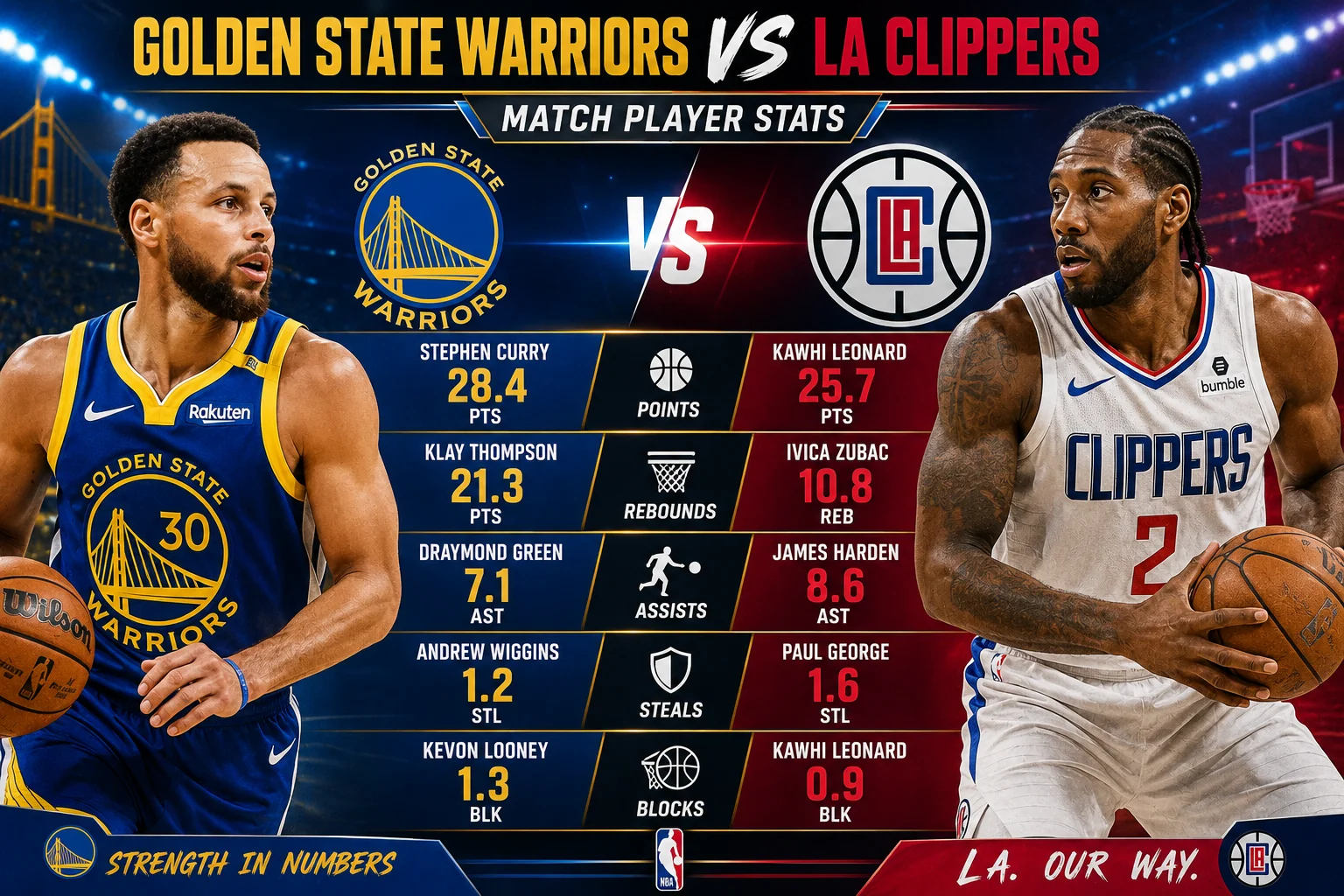



green bay packers vs arizona cardinals match player stats - Football club menu
[…] matchup featured massive offensive swings, culminating in a 38-point second quarter and an 18-point fourth-quarter comeback drive by Green […]