

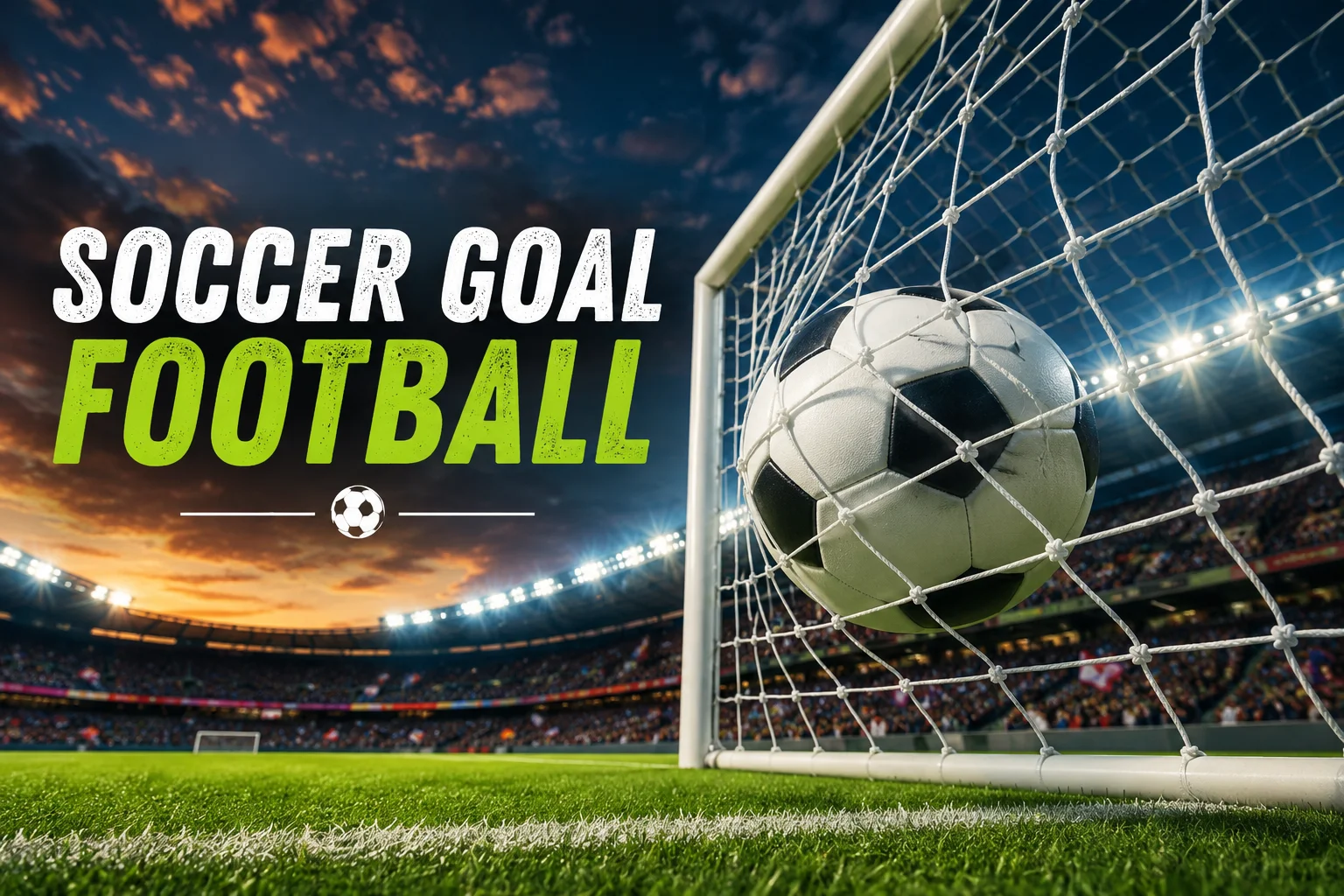
A soccer goal is one of the most important elements of the game of football. Positioned at the center of each end of the pitch, the goal is where teams aim to score by getting the ball completely across the goal line and between the two goalposts, beneath the crossbar. Whether you’re a player, coach, parent, or football fan, understanding soccer goals is essential for appreciating how the game is played.
Official FIFA Soccer Goal Dimensions
The official dimensions of a soccer goal are established by the Laws of the Game and are used in all FIFA-sanctioned professional and international matches. These standardized measurements ensure fairness and consistency across competitions worldwide.
For full-size 11-a-side football, the official FIFA soccer goal measures:
| Measurement | Size |
|---|---|
| Width | 7.32 meters (24 feet) |
| Height | 2.44 meters (8 feet) |
| Goalpost Diameter | Maximum 12 cm (5 inches) |
| Crossbar Diameter | Maximum 12 cm (5 inches) |
The distance is measured from the inside edges of the two vertical goalposts, while the height is measured from the ground to the underside of the crossbar. Both the goalposts and crossbar must be white and made from approved materials such as aluminum, steel, or reinforced plastic.
FIFA Goal Requirements
In addition to the dimensions, FIFA requires soccer goals to meet several safety and performance standards:
- The goalposts and crossbar must have the same width and depth.
- Goals must be securely anchored to the ground to prevent tipping.
- Nets should be attached firmly without interfering with the goalkeeper.
- The goal frame must not pose a danger to players.
- Portable goals used in training should also be properly secured before use.
Soccer Goal Sizes by Age
Choosing the correct soccer goal size is essential for player development, safety, and enjoyment. Youth players benefit from smaller goals that match their physical abilities, helping them improve shooting accuracy, passing, and goalkeeping skills. As players grow older, the goal size gradually increases until they transition to the official full-size FIFA goal.
Recommended Soccer Goal Sizes
| Age Group | Goal Size | Match Format |
|---|---|---|
| Under 6 (U6) | 4 × 6 feet | 3v3 or 4v4 |
| Under 8 (U8) | 6 × 12 feet | 4v4 or 5v5 |
| Under 10 (U10) | 6 × 18.5 feet | 7v7 |
| Under 12 (U12) | 7 × 21 feet | 9v9 |
| Under 13 and Above | 8 × 24 feet | 11v11 (Full Size) |
Types of Soccer Goals
Soccer goals are available in several designs to suit different playing environments, age groups, and skill levels. Whether you're training in the backyard, coaching a youth team, or organizing professional matches, choosing the right type of goal can improve performance and safety.
1. Full-Size Match Goals
Full-size goals measure 24 feet wide by 8 feet high, following FIFA regulations. They are commonly used in professional leagues, schools, colleges, and adult competitions. These goals are typically made from durable aluminum or steel and are permanently installed or securely anchored.
Best for: Professional matches, clubs, and official competitions.
2. Portable Soccer Goals
Portable goals are lightweight and easy to transport. Many models fold flat or include carrying bags, making them ideal for training sessions, parks, and backyard games. Despite their convenience, they should always be anchored securely during use.
Best for: Coaches, youth teams, and recreational players.
3. Pop-Up Soccer Goals
Pop-up goals feature a flexible frame that unfolds in seconds and folds away just as quickly. They are compact, inexpensive, and perfect for casual games or practicing shooting and passing drills.
Best for: Children, families, and quick training sessions.
4. Backyard Soccer Goals
Backyard goals are designed for home use and are available in various sizes. Most are made from lightweight steel or durable plastic, making them weather-resistant and easy to assemble.
Best for: Home practice and recreational play.
5. Training Goals
Training goals are specifically designed to improve technical skills. They range from small target goals for shooting accuracy to medium-sized goals for goalkeeper practice and small-sided games.
Best for: Individual practice, soccer academies, and coaching drills.
6. Mini Soccer Goals
Mini goals are significantly smaller than regulation goals and are commonly used for futsal, indoor soccer, or games involving young children. Their compact size encourages quick passing and precise finishing.
Best for: Indoor soccer, futsal, and youth development.
7. Fixed or Permanent Goals
Permanent soccer goals are installed directly into the ground using ground sleeves or concrete foundations. They offer maximum stability and durability, making them suitable for facilities that host regular matches.
Best for: Dedicated sports complexes, stadiums, and public fields.
PVC vs Steel vs Aluminum Goals
The material of a soccer goal plays a major role in its durability, portability, and overall performance. The three most common materials are PVC, steel, and aluminum. Each has its own advantages and is best suited for different players and playing environments.
| Feature | PVC Goals | Steel Goals | Aluminum Goals |
|---|---|---|---|
| Durability | Moderate | High | Very High |
| Weight | Lightweight | Heavy | Lightweight |
| Rust Resistance | Excellent | Moderate (requires coating) | Excellent |
| Portability | Excellent | Limited | Good |
| Cost | Low | Moderate | High |
| Best For | Backyard play | Schools and clubs | Professional matches |
PVC Soccer Goals
PVC goals are made from strong plastic pipes, making them lightweight, affordable, and easy to assemble. They are ideal for children, beginners, and casual backyard games. While they are weather-resistant, PVC goals are less durable than metal options and may not withstand powerful shots or frequent competitive use.
Best Soccer Goals for Different Budgets
Finding the right soccer goal doesn't have to be expensive. Whether you're shopping for a child, setting up a backyard practice area, or equipping a club, there's a quality option available for every budget. The key is balancing durability, size, and intended use.
Budget-Friendly ($30–$100)
If you're looking for an affordable option, lightweight PVC or pop-up soccer goals are a great choice. These goals are easy to assemble, portable, and ideal for young players or occasional backyard games.
Recommended for:
- Kids and beginners
- Casual family matches
- Basic shooting and passing drills
Features:
- PVC or fiberglass frame
- Foldable or pop-up design
- Lightweight and portable
- Simple assembly
Mid-Range ($100–$300)
Mid-range soccer goals offer better durability and stability. Most feature powder-coated steel frames or reinforced PVC construction, making them suitable for frequent training and youth clubs.
Recommended for:
- Youth teams
- Schools
- Regular practice sessions
Features:
- Strong steel or reinforced frame
- Weather-resistant finish
- Larger goal sizes
- Better net quality and stability
Premium ($300–$1,000+)
Premium soccer goals are designed for serious players and competitive matches. They typically feature lightweight aluminum frames, heavy-duty nets, and comply with official regulations for club and tournament play.
Recommended for:
- Football clubs
- Professional training facilities
- Official competitions
Features:
- High-grade aluminum construction
- Regulation-size options (24 × 8 ft)
- Professional-quality netting
- Rust-resistant and low maintenance
Budget Comparison
| Budget | Goal Type | Best For |
|---|---|---|
| $30–$100 | PVC or Pop-Up Goals | Backyard play, kids, beginners |
| $100–$300 | Steel Training Goals | Schools, youth clubs, frequent practice |
| $300–$1,000+ | Aluminum Match Goals | Clubs, academies, competitive matches |
How to Choose the Right Soccer Goal
Selecting the right soccer goal depends on who will use it, where it will be placed, and how often it will be used. A goal that works well for a young child practicing in the backyard may not be suitable for a competitive team or school. By considering a few key factors, you can choose a goal that offers the best combination of performance, durability, and safety.
1. Choose the Correct Goal Size
The first step is selecting a goal that matches the player's age and level of competition. Younger players develop their skills more effectively with smaller goals, while teenagers and adults should use regulation-size goals.
- U6–U8: 6 × 4 feet
- U9–U10: 12 × 6 feet
- U11–U12: 18.5 × 6.5 feet
- U13 and above: 24 × 8 feet (Official FIFA size)
2. Consider the Goal Material
The frame material affects durability, portability, and maintenance.
- PVC: Lightweight, affordable, and ideal for children or backyard use.
- Steel: Strong and stable, making it suitable for schools and clubs.
- Aluminum: Lightweight, rust-resistant, and preferred for professional matches.
3. Decide Between Portable and Permanent
Think about where the goal will be used.
- Portable goals: Easy to move, store, and transport, making them ideal for training sessions, parks, and home use.
- Permanent goals: Securely installed and provide maximum stability for sports facilities and official competitions.
Installation
Proper installation is essential for ensuring a soccer goal is safe, stable, and ready for play. Whether you're setting up a portable training goal or a permanent match goal, following the manufacturer's instructions and using the correct anchoring system helps prevent accidents and extends the life of the equipment.
1. Choose the Right Location
Select a flat, level playing surface with enough clearance around the goal. Make sure the area is free of rocks, holes, or other obstacles that could affect stability or player safety.
2. Assemble the Goal Frame
Most soccer goals include detailed assembly instructions. Connect the goalposts, crossbar, and support frame using the supplied bolts or locking pins. Before tightening all hardware, check that every part is properly aligned.
Frequently Asked Questions
1. What is the official size of a soccer goal?
The official FIFA soccer goal measures 24 feet (7.32 m) wide and 8 feet (2.44 m) high.
2. What material is best for a soccer goal?
Aluminum is the best choice for professional use, while steel is ideal for clubs and PVC is suitable for backyard practice.
3. Are portable soccer goals safe?
Yes, portable soccer goals are safe when they are properly assembled and securely anchored to the ground.
4. What size soccer goal should children use?
Children should use age-appropriate goal sizes, with smaller goals for younger players and full-size goals for ages 13 and above.
5. How long do soccer goals last?
A quality soccer goal can last 5–15 years or more, depending on the material, maintenance, and frequency of use.











Leave a Reply