
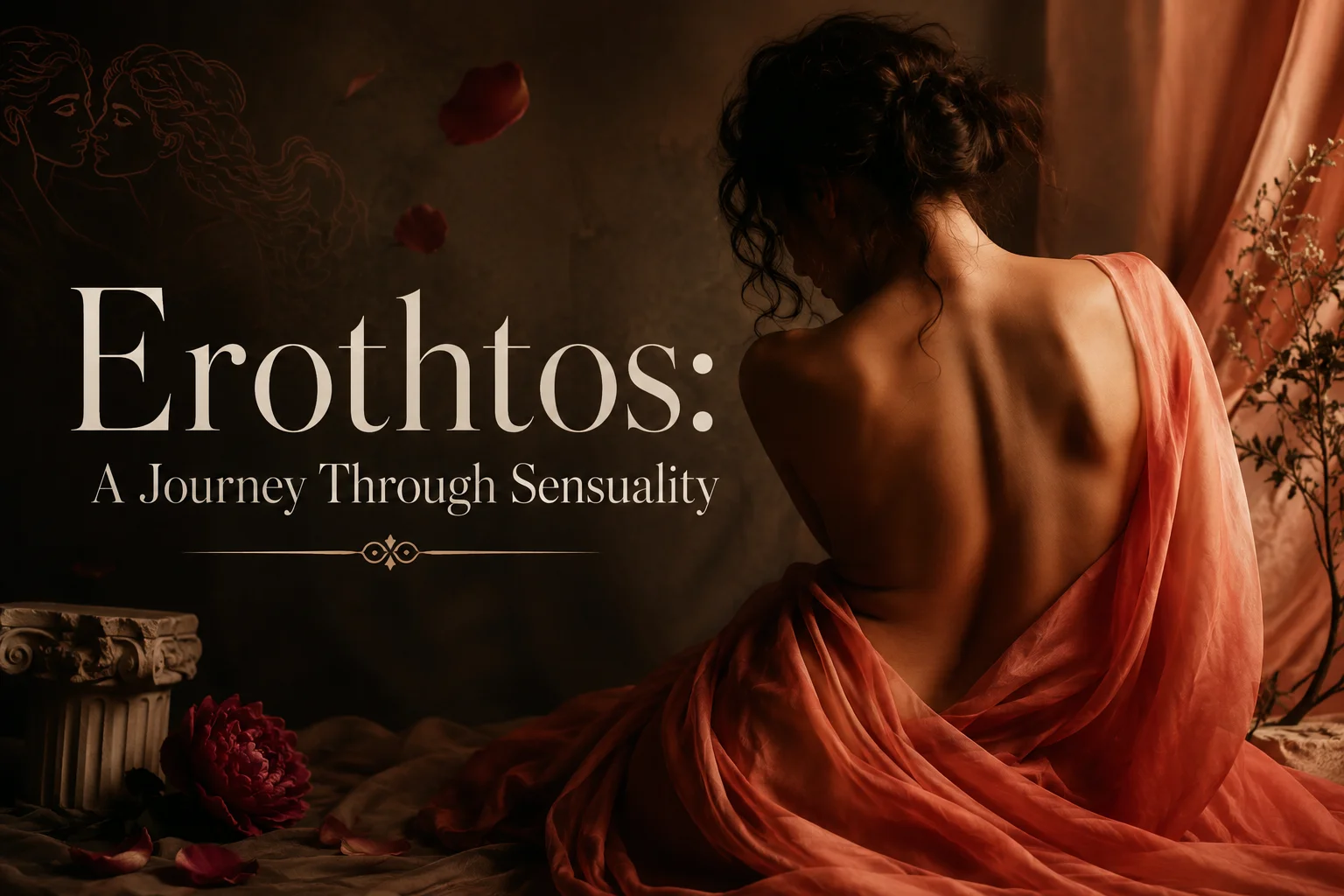
Erothtos is more than just a term; it’s an exploration of desire, intimacy, and the intricate dance between art and sensuality. Rooted in rich historical contexts, this captivating genre invites us to delve into emotions that often remain unspoken. As we embark on this journey through Erothtos, we’ll uncover how artists have expressed their perceptions of beauty and sexuality throughout time. Prepare to immerse yourself in a world where each brushstroke and sculpted form pulsates with life and longing—a celebration that transcends boundaries while inviting personal reflection. Let’s explore the depths of Erothtos together, discovering its profound impact on art and culture as we go.
Understanding Sensuality in Art
Sensuality in art goes far beyond physical attraction. It is a powerful form of expression that explores human emotions, desire, intimacy, and the deep connections that shape our lives.
Artists use color, texture, light, and movement to communicate feelings that words often cannot capture. Every brushstroke, sculpted curve, or carefully composed image invites viewers to experience emotion on a personal level, creating a connection between the artwork and the observer.
Sensuality is not limited to nude figures or romantic scenes. It can also be found in the graceful curves of landscapes, the gentle movement of flowing water, or the warmth of sunlight across a canvas. These subtle elements evoke emotions that feel intimate and familiar.
Across different cultures and historical periods, artists have interpreted sensuality in unique ways. Ancient civilizations celebrated fertility and love through symbolic sculptures, while contemporary artists explore themes of identity, relationships, and self-expression through innovative media.
Ultimately, sensuality in art reflects the complexity of the human experience. It encourages viewers to embrace vulnerability, appreciate beauty in many forms, and connect with emotions that are both timeless and deeply personal.
The Power of Expression in Erothtos
At its core, Erothtos is about emotional expression rather than simple visual representation. It transforms feelings, passion, longing, and vulnerability into compelling artistic experiences that resonate with audiences.
Artists working within Erothtos use their creativity to express emotions that are often difficult to describe through language alone. Every painting, sculpture, photograph, or digital artwork becomes an invitation to explore themes of intimacy, identity, and human connection.
One of the defining characteristics of Erothtos is the relationship between the body and emotion. Rather than focusing solely on physical beauty, these works reveal deeply personal stories that encourage empathy and self-reflection.
By challenging social expectations surrounding love, desire, and authenticity, Erothtos creates meaningful conversations about acceptance and emotional freedom. It reminds us that art has the power to unite people through shared experiences and universal feelings.
Exploring the Different Mediums Used in Erothtos
Erothtos embraces a wide range of artistic mediums, each offering a unique way to communicate sensuality and emotion.
Painting remains one of the most popular forms of Erothtos. Through vibrant colors, expressive brushwork, and dynamic compositions, artists create works that convey passion, tenderness, and emotional depth.
Sculpture adds another powerful dimension. Crafted from stone, bronze, clay, or wood, three-dimensional pieces invite viewers to appreciate the physical presence and emotional energy of the human form from every angle.
Photography has become an influential medium in contemporary Erothtos. It captures authentic moments of vulnerability, intimacy, and self-expression while encouraging conversations about beauty, identity, and social expectations.
Digital art has expanded the possibilities even further. Using advanced creative software and AI-assisted tools, modern artists combine technology with traditional artistic principles to produce innovative works that challenge conventional artistic boundaries.
Each medium offers its own perspective, allowing audiences to interpret Erothtos through different emotional and visual experiences.
Famous Erothtos Artists and Their Impact on the Art World
Many celebrated artists have explored themes that align with the philosophy of Erothtos, leaving a lasting influence on the evolution of art.
Gustav Klimt is renowned for his luxurious compositions featuring gold leaf, intricate decorative patterns, and deeply sensual imagery. His masterpieces celebrate intimacy, femininity, and emotional connection in ways that continue to inspire artists today.
Egon Schiele approached the human body with remarkable honesty. His expressive figures challenged traditional standards of beauty by emphasizing vulnerability, psychological depth, and the complexity of human desire.
In contemporary art, Tracey Emin has redefined personal storytelling through installations, drawings, and mixed-media works. Her emotionally charged creations encourage viewers to confront themes of love, sexuality, memory, and identity with openness and compassion.
Together, these artists have expanded society’s understanding of sensuality, proving that erotic expression can be intellectually engaging, emotionally powerful, and artistically significant.
How Erothtos Challenges Traditional Ideals of Beauty and Sexuality
One of the most compelling aspects of Erothtos is its willingness to question long-standing definitions of beauty and sexuality.
Rather than promoting unrealistic standards, Erothtos celebrates diversity in all its forms. Artists portray people of different body types, identities, ages, and backgrounds, emphasizing authenticity instead of perfection.
This artistic movement embraces imperfections as symbols of individuality and genuine human experience. By presenting vulnerability as a source of strength, Erothtos encourages viewers to rethink cultural expectations surrounding attraction, desire, and self-worth.
The movement also blurs the boundaries between eroticism and fine art, transforming subjects that were once considered taboo into opportunities for meaningful dialogue. Through this approach, Erothtos promotes self-acceptance, emotional honesty, and personal freedom.
Its message is clear: beauty is not defined by conformity but by authenticity, confidence, and the courage to express one’s true self.
Conclusion: The Enduring Influence of Erothtos on Culture and Society
Erothtos continues to shape contemporary art and cultural conversations by celebrating the richness of human emotion, intimacy, and creative expression. More than an artistic style, it is a movement that encourages people to explore beauty beyond physical appearance and embrace the emotional complexity of the human experience.