

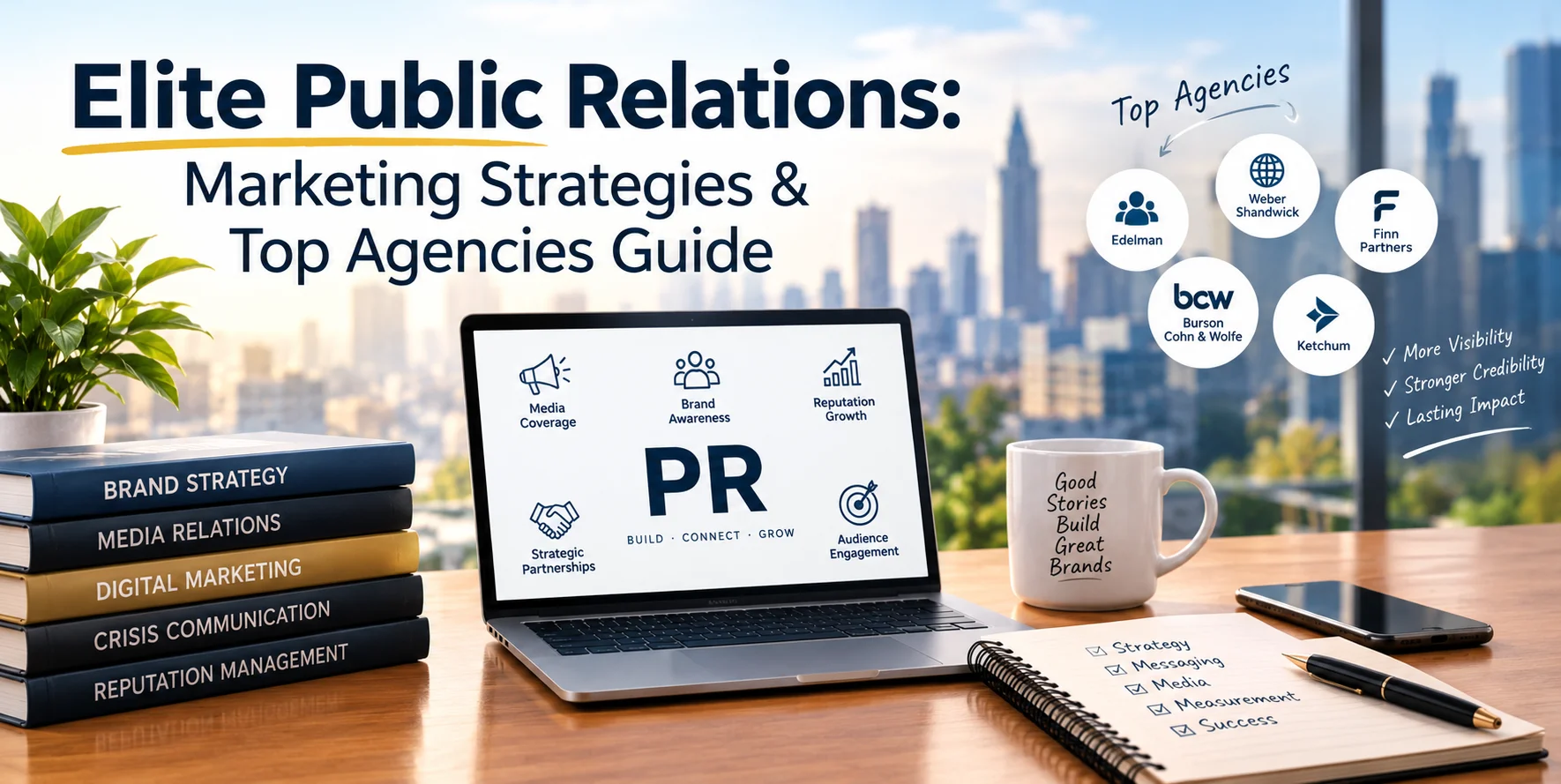
Elite Public Relations plays a valuable role in helping organizations develop a positive reputation, reach relevant audiences, and present their brands with confidence. In today’s competitive business environment, successful companies need more than advertising to stand out. They must also establish credibility, maintain clear communication, build media connections, and create a consistent public identity.
Public relations, widely referred to as PR, involves managing communication between businesses and the people who influence their success. These audiences may include customers, journalists, employees, investors, and industry professionals. A well-planned PR strategy can improve brand recognition, strengthen public confidence, support marketing activities, and help organizations navigate unexpected challenges.
Understanding Elite Public Relations and Its Business Benefits
Elite Public Relations refers to a premium-focused approach to professional communication, brand reputation, media outreach, and strategic positioning. The specific meaning and available services may vary depending on the organization using this name.
Unlike traditional advertising, which generally relies on paid promotional placements, public relations emphasizes meaningful relationships, credible information, and opportunities to earn attention from relevant media outlets.
Creating a Strong Brand Identity
A successful brand communicates a clear and recognizable message across different platforms. PR professionals help businesses explain their values, mission, achievements, and expertise in ways that connect with their intended audiences.
For instance, a technology business launching a new product might use PR to announce its release, highlight an industry partnership, or introduce its leadership team. These activities can increase awareness and help establish the company within its market.
Developing Customer Trust and Credibility
Public confidence develops when businesses communicate honestly and demonstrate consistency in their actions. Public relations can support this process through accurate announcements, expert interviews, media coverage, and community engagement.
Credible communication helps audiences understand what a company offers and what makes it different. Although positive publicity alone cannot guarantee customer loyalty, it can contribute to a stronger reputation when supported by reliable products and services.
Encouraging Sustainable Business Development
Public relations can complement sales, digital marketing, and customer engagement initiatives. Media exposure may introduce a business to potential customers, while professional communication can help explain new developments and reinforce its market position.
However, publicity cannot replace product quality or effective customer service. Long-term results are more likely when a company’s public image reflects its actual performance and achievements.
Essential Elite Public Relations Services
Public relations agencies offer different services depending on their expertise and clients’ objectives. The following examples represent common industry offerings rather than a confirmed service list for a specific organization named Elite Public Relations.
| PR Service | Primary Function | Potential Benefit |
|---|---|---|
| Media Relations | Connecting with journalists and publications | Increased opportunities for credible coverage |
| Reputation Management | Monitoring and improving public perception | Stronger brand confidence |
| Press Release Writing | Announcing important business developments | Clear and professional communication |
| Crisis Communication | Managing communication during unexpected events | More organized public responses |
| Digital PR | Securing relevant online mentions and editorial coverage | Improved online visibility |
| Influencer Relations | Building partnerships with suitable content creators | Access to relevant audiences |
| Executive Branding | Promoting leadership expertise and industry knowledge | Greater professional recognition |
| Event Publicity | Promoting launches, conferences, and business events | Increased awareness and participation |
Media Outreach and Publicity
Media relations helps businesses communicate newsworthy developments to journalists, editors, and relevant publications. Typical activities include preparing media pitches, identifying suitable outlets, developing story ideas, and supplying supporting information.
Effective outreach focuses on the value a story offers its audience instead of relying entirely on promotional language. Original research, industry insights, product innovations, and meaningful company developments can provide stronger reasons for media attention.
Press releases remain useful for sharing significant announcements. However, businesses should prioritize genuine news and avoid distributing repetitive updates that offer little value to readers.
Brand Reputation and Crisis Management
A company’s reputation develops through its communication, customer experiences, business decisions, and public behavior. Reputation management helps organizations understand how they are perceived and identify concerns that require attention.
Crisis communication becomes especially important when businesses encounter customer complaints, operational interruptions, misleading information, or other unexpected situations.
A suitable response should provide verified information, acknowledge legitimate concerns, and explain the next steps. Timely updates and responsible communication can help limit confusion, while unsupported claims or attempts to avoid accountability may create additional problems.
Digital PR and Online Exposure
Digital PR uses online channels to build relationships, attract media attention, and increase brand awareness. Common activities include expert interviews, podcast appearances, industry publications, original research campaigns, and editorial features.
These opportunities can help businesses reach audiences beyond their existing customer base. Some publications may also link to a company’s website, creating opportunities for referral traffic and supporting broader SEO efforts.
Nevertheless, earning relevant and trustworthy coverage should remain the priority. Low-quality backlinks and artificial promotional tactics are not substitutes for meaningful editorial recognition.
Effective Elite Public Relations Strategies
A successful PR campaign begins with a clear purpose, a defined audience, and a message that deserves attention. Businesses should select strategies according to their communication needs rather than adopting every available promotional technique.
Establish Measurable Campaign Goals
Before starting a campaign, determine what the organization wants to accomplish. Common objectives include increasing brand awareness, promoting a product launch, improving public understanding, strengthening executive visibility, or communicating organizational changes.
Clear goals help teams choose appropriate communication channels and evaluate progress. A product launch may require industry media coverage, whereas a reputation-focused campaign may prioritize transparent updates and customer communication.
Understand the Target Audience
Different audiences have different expectations, interests, and information needs. Corporate decision-makers may respond to industry analysis and professional insights, while everyday consumers may prioritize product benefits, customer experiences, and practical information.
PR teams should research audience demographics, preferred communication channels, geographic markets, and relevant publications before developing a campaign.
This preparation helps businesses focus their resources on people who are most likely to value their message instead of relying on broad, unfocused exposure.
Create Relevant and Compelling Stories
Stories can make business communication more memorable when they address genuine interests or meaningful issues. Effective PR campaigns may highlight customer experiences, community initiatives, research discoveries, innovative products, or lessons learned by company leaders.
Emotional storytelling can strengthen audience engagement, but accuracy must remain essential. Exaggerated achievements, misleading statements, and unsupported promises can weaken credibility.
The strongest stories combine human relevance with clear evidence and information that audiences can trust.
Develop Long-Term Media Relationships
Professional media outreach depends on relevance, preparation, and respect for journalists’ time. Businesses should identify publications that cover their industries and understand the subjects their writers regularly discuss.
Personalized pitches are generally more effective than generic messages sent to large contact lists. Providing reliable facts, knowledgeable spokespersons, and useful supporting materials can also make a story easier to evaluate.
Maintaining these relationships requires consistent professionalism rather than occasional requests for publicity.
How Public Relations Connects With Marketing Agencies
Public relations and marketing share several objectives, but their responsibilities differ. PR concentrates on reputation, stakeholder relationships, public communication, and earned media attention. Marketing covers a wider range of activities designed to promote products, attract customers, communicate value, and support revenue growth.
When these functions work together, businesses can maintain consistent messaging across their communication channels.
Integrating PR With Content Marketing
Content marketing involves creating useful resources such as articles, reports, interviews, videos, and educational guides. Public relations can help distribute these resources to journalists, industry experts, and audiences that may find them valuable.
For example, a business that publishes original market research could turn its findings into a media pitch, prepare expert commentary, and develop additional educational articles for its website.
This coordinated approach helps organizations extend the value of their content while maintaining a consistent brand message.
Coordinating Public Relations With Social Media
Social media gives businesses an opportunity to share announcements, respond to questions, highlight media coverage, and communicate directly with their audiences.
PR teams can collaborate with social media managers to ensure that public statements remain accurate and consistent. During a product announcement, for example, the company might publish an official statement, share relevant coverage, inform employees, and prepare answers to common questions.
The objective is to provide accessible information and maintain public confidence rather than simply generate attention.
Using Digital PR to Support SEO
Digital PR can complement search engine optimization when reputable websites mention a brand or link to useful resources. Relevant editorial coverage may introduce a business to new audiences and help establish its expertise within a particular industry.
However, search rankings depend on multiple factors, and publicity cannot guarantee a specific position in search results.
Businesses should focus on original information, relevant publications, and genuine relationships instead of pursuing irrelevant links or misleading promotional schemes.
How to Choose the Right Public Relations Agency
Choosing a PR agency requires an understanding of its experience, capabilities, communication practices, pricing, and approach to measuring results. Careful evaluation helps businesses select a provider that matches their goals.
Examine Industry Experience and Previous Work
Look for an agency that understands your market, audience, and communication challenges. Industry knowledge can help professionals identify relevant publications and develop story angles that align with current business priorities.
Review available case studies, previous campaigns, and client feedback. Consider the objectives of each campaign, the agency’s responsibilities, and the evidence provided to support reported achievements.
Businesses should also verify the identity and background of any provider operating under the Elite Public Relations name rather than assuming that similarly named organizations offer identical services.
Compare Service Packages and Communication Standards
PR agencies differ in the services they provide. Some specialize in media outreach, while others offer broader support involving digital PR, content creation, executive positioning, event promotion, or crisis planning.
Before signing an agreement, ask which activities are included, who will manage the account, and how frequently progress reports will be delivered.
A reliable agency should explain its process, establish realistic expectations, and clarify which outcomes depend on external factors such as editorial decisions or audience responses.
Review Pricing and Deliverables
Public relations costs can vary according to campaign length, market coverage, required expertise, workload, and the number of deliverables.
Some agencies charge monthly retainers, while others offer fixed-price projects or individual services. Comparing proposals based on scope and expected work provides a clearer picture than choosing solely according to price.
Before beginning a campaign, establish deadlines, responsibilities, approval procedures, reporting schedules, and performance expectations. A clear agreement helps prevent misunderstandings and makes progress easier to evaluate.
Measuring Public Relations Campaign Performance
Evaluating PR results helps businesses understand which activities are effective and where adjustments may be necessary. Performance indicators should reflect the campaign’s original objectives.
Five Important PR Performance Indicators
Businesses can assess campaign progress using these five measurements:
- Media coverage quality: Evaluate the relevance and credibility of publications that feature the organization.
- Audience reach: Estimate how many relevant people may have encountered the campaign.
- Message consistency: Check whether media coverage accurately reflects the intended information.
- Referral traffic: Measure website visits generated through media articles and campaign mentions.
- Brand sentiment: Examine public discussion to understand how audiences respond to the organization.
Additional indicators may include qualified inquiries, event participation, interview requests, executive visibility, and changes in brand awareness.
No single measurement provides a complete picture of campaign performance. A few placements in highly relevant publications may be more valuable than widespread exposure among audiences unlikely to become customers.
Common Challenges in Public Relations
Even carefully planned PR campaigns can face obstacles. Journalists may decline a story, media coverage may be limited, or public attention may shift because of developments outside a company’s control.
Organizations can prepare for these challenges by setting realistic goals, maintaining accurate information, developing alternative communication plans, and reviewing their approach when circumstances change.
Another common mistake is treating publicity as a guarantee of sales. Media attention may introduce a brand to prospective customers, but purchasing decisions also depend on pricing, product quality, customer service, competition, and individual needs.
Businesses should also communicate promotional relationships transparently and avoid unsupported claims. Honest communication protects credibility and helps maintain stronger relationships with audiences over time.
Frequently Asked Questions
1. What is Elite Public Relations?
Elite Public Relations generally describes a premium-focused approach to reputation management, media communication, and brand positioning. Its precise meaning depends on the organization using the name.
2. What services do PR agencies commonly provide?
Typical services include media relations, press release preparation, digital PR, crisis communication, reputation management, executive branding, and event promotion.
3. Why is public relations important for businesses?
PR helps organizations communicate important developments, increase brand awareness, build credibility, and maintain relationships with customers, journalists, and other stakeholders.
4. What is the difference between public relations and marketing?
Public relations focuses primarily on reputation, relationships, and public communication. Marketing covers broader promotional activities intended to attract customers, communicate product benefits, and support business growth.
5. How can businesses measure PR success?
Businesses can review media coverage, audience reach, message accuracy, website referral traffic, brand sentiment, and other indicators connected to their campaign objectives.
Final Thoughts
Elite Public Relations highlights the importance of strategic communication in building a recognizable brand, strengthening public confidence, and creating meaningful connections with target audiences. Services such as media relations, reputation management, digital PR, crisis communication, and executive branding can support broader business and marketing objectives.
Selecting the right agency involves reviewing relevant experience, available services, pricing transparency, communication standards, and measurable deliverables. Businesses should also verify the specific provider’s identity and capabilities before making assumptions about its offerings.
Ultimately, effective public relations depends on credibility, consistency, and careful planning. When communication is supported by genuine achievements and responsible business practices, PR can create valuable opportunities, improve brand visibility, and contribute to sustainable long-term growth.














Leave a Reply