

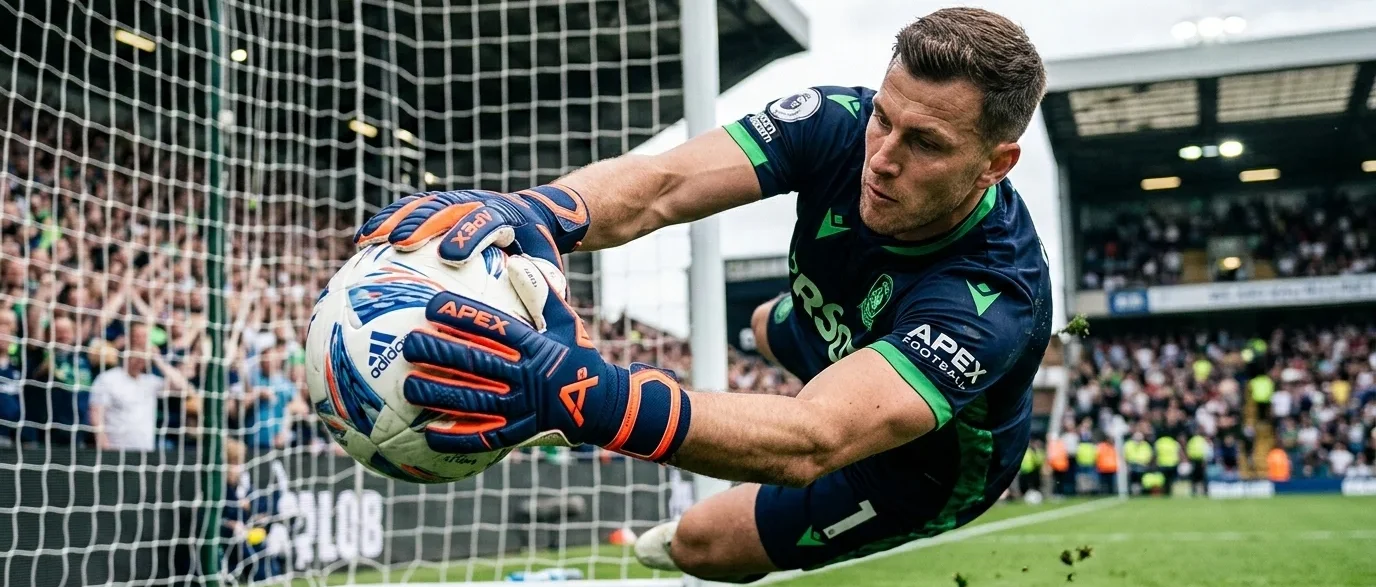
Football gloves are essential gear designed to enhance grip, control, and hand protection on the field. From receivers making precise catches to linemen battling at the line of scrimmage, gloves improve performance in every position. Modern gloves use advanced materials, such as silicone, latex, and synthetic polymers, to provide tacky palms, flexible backhand support, and position-specific padding. They help players maintain control in all weather conditions, reduce the impact on hands, and boost confidence during plays — making them a must-have for both practice and competitive games.
How Football Gloves Work (Grip + Materials)
Football gloves are designed to improve grip, control, and hand protection during catches, blocks, and tackles. Whether in National Football League games or amateur play, modern gloves use advanced materials to maximize ball control in all weather conditions.
1. How the Grip Works
The grip mainly comes from a tacky palm surface that increases friction between your hand and the ball.
2. Key Materials Used
- Palm Material: Silicone (Grip Boost, C-TACK coatings) – Ultra-sticky; Latex blends – Good grip but can wear faster; Synthetic polymers – Durable and weather-resistant.
- Back of Hand: Spandex / Lycra – Flexible and breathable; Neoprene – Adds wrist support; Mesh panels – Ventilation to reduce sweat.
- Padding (Position-Based): Receivers (WR/DB) – Minimal padding for feel; Running backs – Moderate padding; Linemen – Heavy padding for impact absorption.
3. How They Perform in Different Conditions
| Condition | Performance |
|---|---|
| Dry weather | Maximum tack and grip |
| Light rain | Still effective due to friction coating |
| Heavy rain | Grip decreases slightly but better than bare hands |
| Cold weather | Materials may stiffen unless thermal-lined |
4. Why They’re Better Than Bare Hands
- Without gloves: Sweat reduces grip, cold stiffens fingers, impact hurts more
- With gloves: Enhanced friction, better control, improved confidence during catches
That’s why nearly every skill-position player in leagues like the National Football League wears them today.
5. Do Football Gloves “Lose” Their Grip?
Buying Guide
Choosing the right football gloves can dramatically improve grip, performance, comfort, and durability on the field. Below are the key things to consider when selecting gloves that fit your game and position.
Fit & Sizing Guide
Getting the right fit is crucial — gloves that are too big reduce grip, while gloves that are too tight can restrict movement and cause discomfort.
How to Measure Your Hand:
- Use a flexible tape measure.
- Measure around the widest part of your palm (below the knuckles), excluding the thumb.
- Compare your measurement to the brand’s size chart (XS–XL).
Fit Tips:
- Snug, Close Fit: Keeps sticky palm material in contact with the ball.
- Adjustable Wrist Closure: Locks the glove in place and adds support.
- Try Before You Buy: Brand sizing varies — medium in one brand may feel smaller in another.
Material & Grip Comparisons
| Material / Feature | Grip Level | Durability | Best Conditions |
|---|---|---|---|
| Silicone Palm Coating | ⭐⭐⭐⭐ | ⭐⭐⭐ | Dry, Normal Play |
| Latex Grip Palm | ⭐⭐⭐ | ⭐⭐ | Short-term Grip |
| Tacky Polymer Blend | ⭐⭐⭐⭐ | ⭐⭐⭐⭐ | Wet or Cold Weather |
| Mesh Backhand | N/A | ⭐⭐ | Breathability |
| Reinforced Stitching | N/A | ⭐⭐⭐⭐ | Longevity |
Position-Specific Recommendations
Wide Receivers & Defensive Backs
- Ultra-sticky palm coatings
- Lightweight, minimal padding
- Breathable backhand
Why: These players rely on control and tackiness for catching and stripping the ball.
Running Backs & Tight Ends
- Moderate finger padding
- Strong grip materials
- Comfortable fit for extended contact
Why: They catch passes but also endure hits and physical contact.
Top Ranked Gloves
Best Overall
GripTec Pro‑X Carbon – Carbon-infused silicone palm keeps grip after many washes and performs in all weather.
Nike Vapor Jet 8.0 – Magnigrip+ palm, breathable backhand, snug fit for receivers and DBs.
VelocityShield Elite – Multi-zone palm grip, excellent airflow, ideal for wide receivers.
Best for Wet Weather
StormCatcher Ultra – Nano-textured palm repels water and retains grip in heavy rain.
Cutters Rev Pro / C-TACK – Excellent wet performance with palm tack and moisture resistance.
Nike Vapor Jet Series (All-Weather) – Maintains stickiness in moisture, suitable for all-weather play.
Best Youth Gloves
Nike Youth Vapor Jet 7.0 / 8.0 – Strong grip, lightweight, easier for small hands.
Nxtrnd G1 Youth – Sticky silicone palms with 4-way stretch for control.
Under Armour F8 Youth – GlueGrip tech, comfortable, stylish, and sticky.
Battle Ultra-Stick Youth – Value-focused with UltraTack grip and wrist support.
Quick Tips for Choosing the Best Gloves
- Grip Tech Matters: Choose modern palm compounds like Magnigrip+, carbon-infused silicone, or C-TACK.
- All-Weather Performance: Water-repellent palms or nano-textured surfaces retain grip in rain or humidity.
- Comfort & Fit: Snug fit and breathable back reduce slippage and sweat during long games.
Football Gloves for Linemen Protection
Linemen face constant hand-to-hand battles. Unlike receivers, they need gloves focused on protection, impact absorption, and control rather than ultra-sticky palms.
Why Linemen Need Specialized Gloves
- Impact protection: Thick padding cushions hits and collisions.
- Durability: Tough outer materials resist turf burn and repeated blocking.
- Grip where it counts: Grip zones help control opponents at the point of attack.
- Support & stability: Secure wrist closures prevent sprains in hand-to-hand battles.
Key Features of Linemen Protection Gloves
- Reinforced Padding: Thick foam or TPR padding on backhand/fingers, knuckle/joint reinforcement absorbs impact.
- Durable Materials: Synthetic leather / high-denier nylon with reinforced stitching stands up to repeated contact.
- Grip Zones for Control: Textured silicone palm patches and high-friction fingertips assist with blocks and sheds.
- Wrist Support & Fit: Adjustable Velcro closures keep gloves aligned and secure.
Material Comparison — Linemen Gloves
| Material / Feature | Protection | Grip | Durability |
|---|---|---|---|
| TPR Padding (Backhand) | ⭐⭐⭐⭐ | ⭐ | ⭐⭐⭐⭐ |
| Reinforced Synthetic Leather | ⭐⭐⭐⭐⭐ | ⭐⭐ | ⭐⭐⭐⭐⭐ |
| Textured Palm Grip | ⭐⭐ | ⭐⭐⭐ | ⭐⭐⭐ |
| Mesh / Ventilation Panels | ⭐ | ⭐ | ⭐ |
⭐ = Level (1 lowest — 5 highest)
Who Should Wear Linemen Gloves?
- Offensive Linemen (OL)
- Defensive Linemen (DL)
- Tight Ends on blocks
- Fullbacks in inside runs
These gloves focus on protecting hands and dominating contact rather than catching the ball.
Comparison Table (Specs + Performance)
| Feature / Spec | Practice Gloves | Game Gloves |
|---|---|---|
| Primary Use | Daily practice, drills, workouts | Competitive games, high-stakes plays |
| Grip Material | Moderate tack silicone or synthetic blends | High-tack silicone/polymer coatings (e.g., GripTec, Magnigrip+) |
| Palm Thickness | Slightly thicker for durability | Thinner for maximum ball feel |
| Durability | High — withstands repeated use | Medium — soft tack may wear fast |
| Weight | Heavier than game gloves due to reinforced fabric | Lightweight for better ball control |
| Flexibility / Feel | Moderate — designed for comfort during long sessions | High — closely conforms to the ball for better touch |
| Weather Performance | Standard — may slip in wet conditions | Optimized — some all-weather models maintain tack in rain |
| Padding | Moderate for comfort and hand protection | Minimal to maintain finger sensitivity and control |
| Price Range | Lower ($20–$50) | Higher ($50–$80+) |
| Target Users | Youth, beginners, players practicing frequently | Skill positions (WR, DB, RB), competitive athletes |
| Longevity | Lasts multiple weeks/months of daily practice | Lasts 1–2 seasons if used in games only |
| Pros | Durable, affordable, versatile for practice | Maximum grip, best ball feel, lightweight and responsive |
| Cons | Less sticky, may feel bulky | Expensive, wears quickly if overused in practice |
Frequently Asked Questions
Conclusion
Football gloves are essential for improving grip, control, and hand protection. Choosing the right pair depends on your position, fit, and playing conditions. Practice gloves offer durability for training, while game gloves provide maximum performance. The right gloves can boost confidence and performance on every play.

















Leave a Reply