

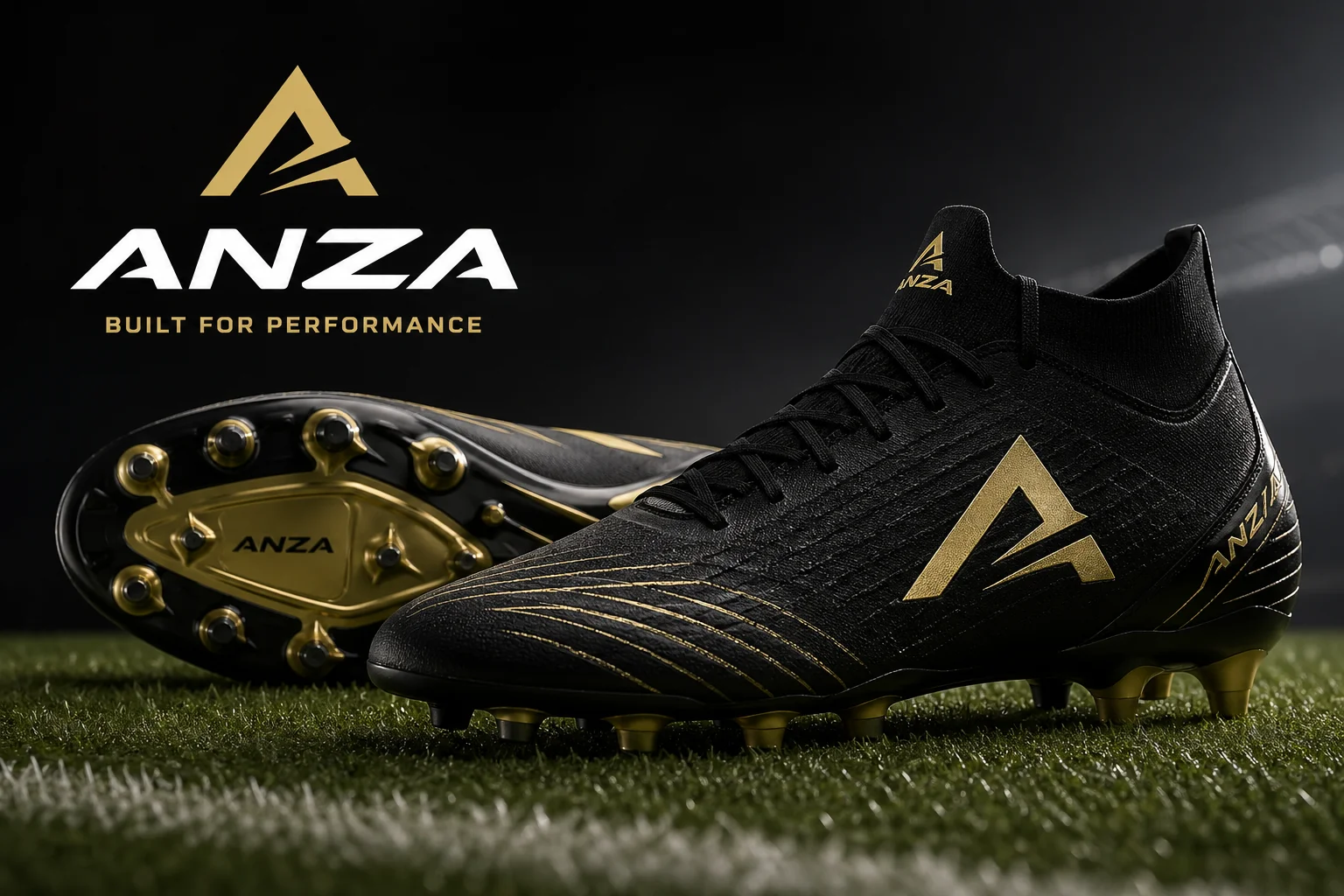
Anza Football Boots: Performance & Comfort
A comprehensive guide to choosing and maintaining Anza boots for youth and amateur players.
Why Players Prefer Anza
Anza has become a popular choice among youth, amateur players, and recreational teams. Designed with football-specific features like studded outsoles and flexible uppers, these boots provide excellent traction, stability, and lightweight comfort across various surfaces.
Boot Types by Surface
- Firm Ground (FG): Best for natural grass; features durable TPU studs.
- Turf (TF): Features small rubber nubs for artificial grass or 3G pitches.
- Indoor (IN): Flat, non-marking rubber soles for court play.
Sizing & Care Tips
For the best performance, aim for a snug fit with roughly 5mm of toe room. To keep them in top condition, air dry naturally and avoid direct heat sources which can crack synthetic uppers.
Model Comparison
| Model | Surface | Primary Benefit | Value |
|---|---|---|---|
| Anza Dash | FG / MG | Lightweight Speed | Premium |
| Anza Titanium | Firm Ground | Ankle Stability | Premium |
| Anza Sonic | Turf / FG | Durability | Best Value |
| Anza Revolt | Indoor | Grip & Control | Standard |
Why Choose Anza Football Boots? Top Reasons Players Prefer Anza
Designed for Football
Built with studded outsoles and flexible uppers engineered for the sport — giving better traction, balance, and movement than regular sneakers.
Affordable & Value-Focused
Anza boots offer excellent value at a lower price point than major brands while delivering essential performance for grassroots players.
Strong Grip & Stability
Specific stud patterns provide reliable traction on natural grass and local pitches, helping players stay stable during matches.
Lightweight & Comfortable
The breathable and lightweight construction reduces foot fatigue and supports speed — ideal for youth and amateur athletes.
Multiple Surface Options
Available models for firm ground (FG), turf (TF), and indoor (IN) surfaces allow flexibility based on where you play most.
Perfect for Youth Teams
A practical balance of price and performance makes Anza a popular choice for school teams and community leagues.
Football Boot Types & Fit Guide
1) Turf (Artificial Grass – 3G/4G)
Choose: TF (Turf) or AG (Artificial Ground) boots
Why:
- Turf is harder than natural grass.
- TF boots have many small rubber studs that provide grip without digging too deep.
- They reduce pressure on knees and ankles.
- They last longer on synthetic surfaces.
Avoid: FG (Firm Ground) boots on turf — long studs can cause slipping and joint strain.
2) Natural Grass (Outdoor Fields)
Choose: FG (Firm Ground) boots
Why:
- Longer molded studs dig slightly into real grass.
- Provide better traction for sprinting and turning.
- Ideal for dry or slightly damp natural fields.
- For muddy or wet grass: Use SG (Soft Ground) boots.
3) Indoor (Futsal / Hard Court)
Choose: IC (Indoor Court) shoes
Why:
- Flat, non-marking rubber sole with no studs.
- Designed for smooth indoor surfaces.
- Provide strong grip and better ball control.
Football Boot Fit Tips
1) Measure Your Feet First
Measure length and width at the end of the day when feet are largest, then compare with the size chart.
2) Allow Space at the Toe
Leave about a thumb’s width (~0.5–1 cm) between your longest toe and the front of the boot.
3) Snug Heel Fit
Heel should feel secure without slipping during runs or quick cuts.
4) Midfoot Comfort
Boots should fit snug across the midfoot without pinching or squeezing.
5) Try With Football Socks
Always wear the thick socks you play in to check the actual fit.
6) Break‑In Time
Note: Synthetic boots have minimal stretch compared to leather boots.
Common Fit Issues & Fixes
| Problem | Likely Cause | Fix |
|---|---|---|
| Heel slips | Too long or wide | Smaller size or heel-lock lacing |
| Toes hit front | Too short | Go up half a size |
| Pinching toes | Narrow boot | Look for a wider model |
| Loose midfoot | Too wide | Thicker socks or adjust lacing |
Surface-Focused Model Comparisons
Firm Ground (Grass Focused)
Designed for natural grass pitches with dry or slightly firm soil conditions.
- Striker Pro FG – TPU studs for maximum grass traction.
- Phantom FG – Enhanced ball-strike zones for better touch.
Best for: Traditional outdoor grass matches.
Turf (Artificial Surfaces)
Perform best on synthetic turf or harder multi-ground conditions.
- Shift TF – Rubber multi-studs for grip and agility.
- Zomba – Rugged outsole for artificial or hard grounds.
Best for: 3G/4G pitches and harder park grounds.
Indoor & Court Variants
Flat rubber soles suited for smooth, hard indoor court surfaces.
- REVOLT Indoor – Specialized outsole for futsal and gyms.
- Indoor Lines – Grooved soles to maximize lateral traction.
Best for: Futsal, gym play, and hard court football.
Other Notable Models
Versatile options for general performance and casual play:
- Anza Target – Adaptable multiground sole.
- Series: Sonic, Rapid, Wilder, Vibez, Zifi, and Mundial 22.
Best for: All-round players and recreational use.
Positive Feedback & Criticisms
Comfort & Fit (Initial Wear)
Many buyers comment that Anza boots are comfortable and lightweight right out of the box, making them easy to wear for training sessions and casual games.
Good Grip for Local Surfaces
Users report studs and tread patterns provide good traction on dry grass and hard ground, important for grassroots and community play.
Budget-Friendly Value
Priced lower than many global brands, reviews highlight that Anza boots offer good value for recreational players and youth teams.
Durability & Quality Issues
Some complaints involve studs wearing down quickly or early deterioration of boot material within a short period of frequent use.
Fit & Sizing Inconsistencies
Sizing can be inconsistent: pairs may run smaller or tighter than expected, affecting comfort around the toe box.
Mixed Longevity Reports
While some users are happy with longevity under moderate use, others report faster wear of soles when used in high-intensity competitive play.
Overall Real-World Sentiment
Best suited for:
- Youth players & Casual games
- Training & Budget-conscious play
Limitations:
- Lower durability than high-end elite boots
- Fit may vary between different models
Top 10 Football Boot Care Tips
What to Do: Knock off excess dirt and mud with your hands or a soft brush. Use a damp cloth to wipe away surface dust. For tougher grime, use a soft brush with mild soap and water.
Important: Never soak boots in water — it can damage materials and glue.
Do: Air-dry boots at room temperature and open the tongue wide for airflow.
Don’t: Never place boots near direct heat sources or in direct sunlight for long periods. Stuff with crumpled newspaper to absorb moisture and maintain shape.
Check studs/cleats after play for embedded stones or debris. Remove carefully. Worn studs may need replacement. For turf models, cleaning maintains grip as rubber wears faster.
Store boots in a boot bag instead of tossing them in a backpack to protect both boots and other gear.
Do not wear football boots casually off the pitch — concrete or asphalt accelerates wear. Use indoor shoes for street play.
Replace frayed laces. Periodically remove insoles, air them, and brush clean. Premium insoles can add cushioning/support.
Leather/PU: Use soft brush, apply small leather conditioner if desired. Synthetic uppers: clean with damp cloth; no conditioner needed.
Keep boots in a cool, dry place. Avoid damp basements or hot car trunks — heat and humidity degrade materials.
Look for peeling seams, loose studs, cracked soles, worn heel counter. Early repairs can extend lifespan.
New boots may feel stiff. Wear them for light practice before competitive games to soften material and mold to your foot.
Frequently Asked Questions
1. How do I clean my Anza football boots?
Remove dirt with a soft brush or cloth. For tough grime, use mild soap with water. Never soak boots, and avoid direct heat when drying.
2. How can I prevent my boots from wearing out too quickly?
Use indoor shoes off the pitch, store boots properly in a bag, clean them regularly, and check studs for damage.
3. Should I use leather conditioner on all Anza boots?
No. Only apply conditioner to leather or PU boots to maintain suppleness. Synthetic uppers only need a damp cloth clean.
4. How do I choose the right boots for turf or grass?
Turf (TF/AG) boots are for artificial surfaces; firm ground (FG) boots for natural grass; indoor (IC) shoes for smooth courts. Always match boots to your main playing surface.
5. How do I ensure a proper fit for my boots?
Measure your feet, allow 0.5–1cm toe space, wear football socks when trying them on, and check heel, midfoot, and arch fit. Consider break-in time for new boots.
















Leave a Reply